
Screenplay
Waiting for You
Written by Zachary Blaine Maxfield
Warning – This review contains spoilers
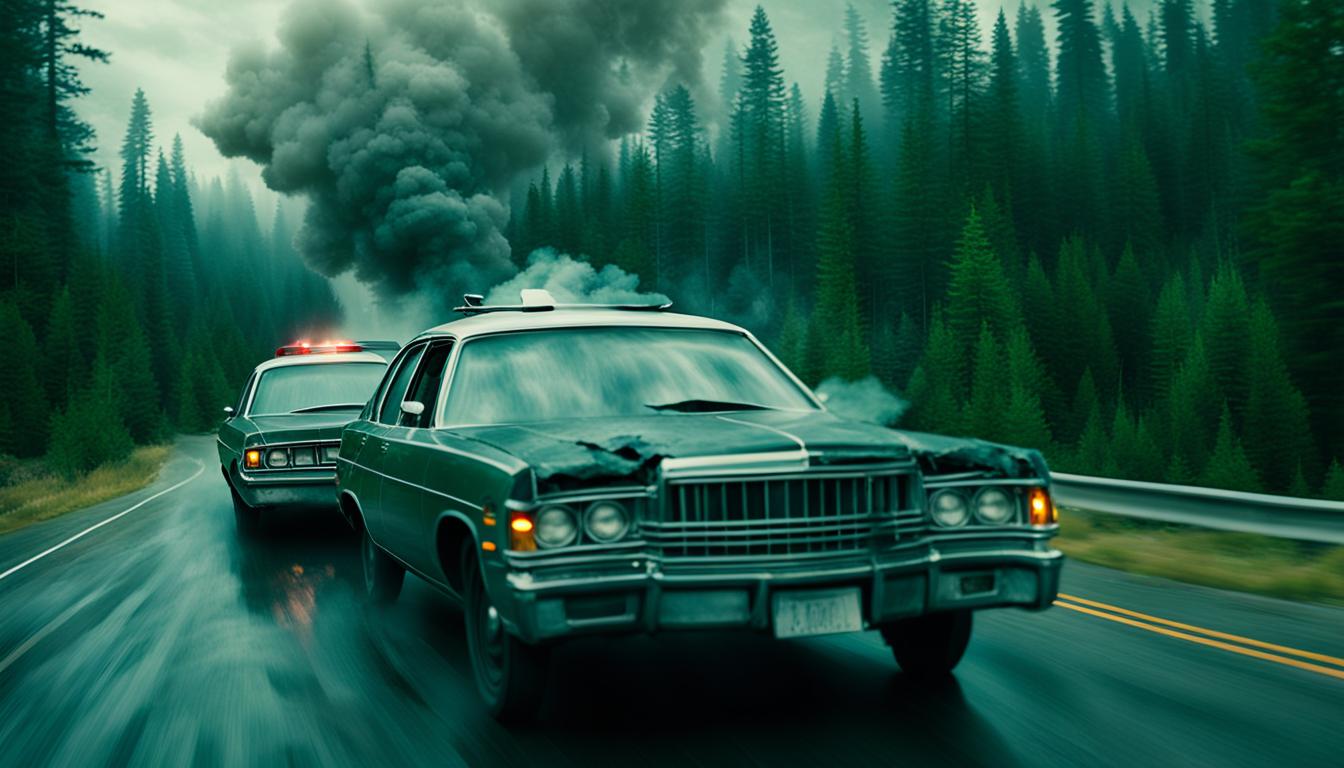
Waiting for You tells a captivating story about two LDS Sister Missionaries who find themselves caught in a whirlwind of danger when they get involved with a retired drug dealer. The trio makes a series of unfortunate, deadly mistakes that force them to work together, even though they come from drastically different worlds. The story unfolds with a gripping sense of desperation, and the high stakes keep the tension alive throughout. I found the script to be well-structured, with each setback escalating the intensity and making the characters’ struggles feel palpable. Audiences who enjoy thrillers with strong action and suspense would be drawn into this story, especially during a table read.
I can see that the writer, Zachary Blaine Maxfield, did a great job of weaving in the moral dilemmas faced by the missionaries and how their faith influences their actions. The flashbacks provide essential context, though they might be a bit confusing for viewers not familiar with LDS practices. That said, they add a deeper layer to the narrative and help explain the characters’ motivations. The dialogue feels natural, and each of the main characters has a clear voice that sets them apart.
From a technical standpoint, the formatting is solid, and I appreciate how the scenes are described with just the right amount of detail to guide the reader’s imagination. Everything flowed smoothly, and the pacing felt tight and engaging.
I think Waiting for You offers a compelling narrative with a unique blend of religious themes and crime elements. It’s a well-written script that I believe would resonate with audiences looking for an intense, character-driven thriller.

Screenplay
The Man in the Flying Lawn Chair Takes Flight
WARNING! This review contains SPOILERS!
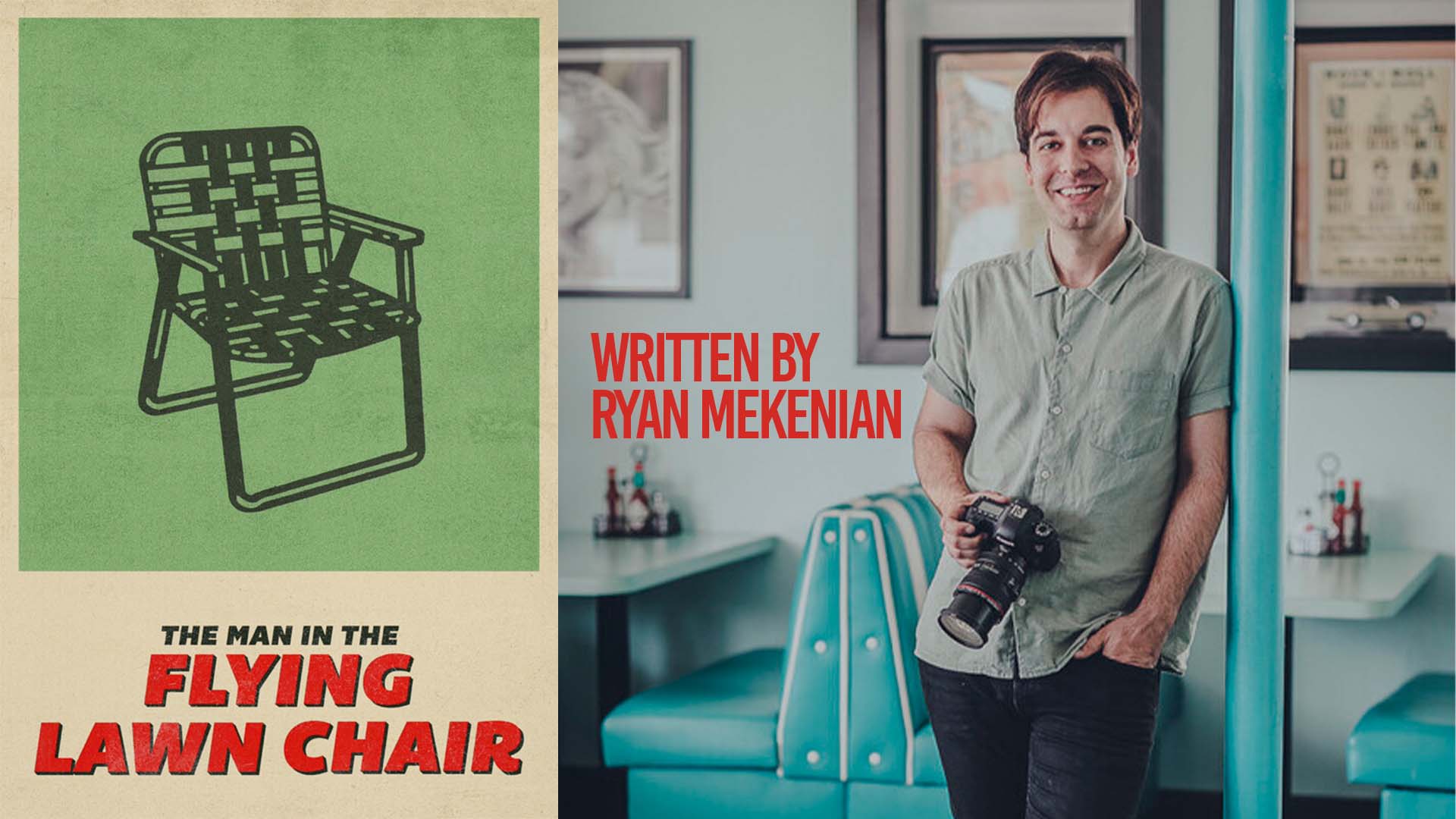
Ryan Mekenian’s The Man in the Flying Lawn Chair is one of those screenplays that reminds me why I love stories rooted in the absurd yet entirely human. Set in 1980s Long Beach, it tells the story of a Vietnam veteran who builds a flying machine from weather balloons and a lawn chair. It’s ridiculous, moving and full of purpose once the structure of war and duty has faded away.
What I love most about this script is how delicately it balances tone. Mekenian takes an inherently comedic premise and grounds it in emotional truth. The dialogue feels natural, even when the situations are bizarre, and each exchange builds toward an emotional growth that’s surprisingly tender. It’s as much a love story as it is a character study, and I found myself laughing and aching in equal measure as Larry’s obsession takes flight—literally and metaphorically.
Mekenian’s writing is impressively tight. The pacing flows effortlessly, moving from humor to melancholy without ever feeling forced. The structure is clean, the transitions seamless, and the world feels alive with the kind of specificity that only comes from someone who deeply understands their characters. Every word feels earned. I especially admired how the screenplay never paints Larry as crazy or pathetic—it treats his dream with reverence, reminding us that human longing often lives right on the edge of foolishness.
Ryan Mekenian is an Armenian-American writer and director whose work consistently explores underrepresented voices and the universal struggle for identity and meaning. His background as a 2023 California Arts Council Emerging Artist Fellow and a USC School of Cinematic Arts alum shows in his craftsmanship. His previous film Spokespeople—which earned awards at both the Rhode Island International Film Festival and the Bolton International Film Festival—already demonstrated his knack for finding beauty and humor in unexpected corners of American life.
In The Man in the Flying Lawn Chair, Mekenian proves himself a “story scientist,” as he describes in his statement—someone who understands the delicate chemistry between tone, theme, and emotion. His humor never undercuts the story’s sincerity; it enhances it, allowing audiences to find themselves reflected in this strange, sky-bound dreamer who just wanted to rise above his disappointments.
From a technical standpoint, the script is a joy to read. The formatting is precise, the pacing snappy, and I didn’t spot a single distraction. It’s the kind of screenplay that practically reads itself, with dialogue that pops and imagery that soars. Every beat lands. I can easily see this story coming to life on screen as a darkly funny drama with broad appeal.
By the time I finished, I realized that The Man in the Flying Lawn Chair isn’t just about flight—it’s about freedom. About finding meaning in the pursuit itself, even when the world calls you foolish for trying. Ryan Mekenian has taken a true story and transformed it into a heartfelt ode to dreamers who dare to look up.
Screenplay
Utah Screenwriters Spotlight
We’re just days away from the November 2nd submission deadline for the Utah International Film Festival, which makes this the perfect moment to shine a spotlight on some of the incredible screenwriting talent right here in the Beehive State.
Utah is packed with writers—far more than I could fit into one post—but these are local storytellers who have submitted their scripts to UIFF this year, and I can’t wait to see many of them pitching live at PitchTank. We won’t know which projects are officially selected for the festival until December 7th, but while we wait, here’s a look at a few of the exciting screenplays being developed across Utah.
“The Paper Daughter” – Written by Howard Lun Hong
UIFF alumni Howard Lun Hong returns with his short screenplay The Paper Daughter, set in early-1900s San Francisco during a period of intense anti-Chinese discrimination. The story follows a trafficked girl whose bravery sparks a dangerous rescue mission led by two unlikely saints willing to defy powerful Chinese gangs. Rooted in a little-told chapter of American history, the script highlights courage, cultural resilience, and the fight to protect the “Paper Daughters.” A gripping, socially conscious narrative that blends suspense with heartfelt advocacy for forgotten voices.
“Uncle David” – Written by Ashley Coles
Ashley’s recent short screenplay Uncle David follows a reclusive novelist whose quiet life is thrown into chaos when his image-obsessed niece is dropped off for the weekend. This Drama-Comedy leans into the awkward hilarity of family relationships while keeping the story appropriate for all ages. The script has a strong emotional transformation and satisfying ending, clever character-defining slang, and clean formatting. The heart and humor shine through in a story about breaking barriers and finding connection.
“When in Shelter” – Written by Spencer White
Spencer’s latest television script When in Shelter follows a faith-driven family who, after inheriting overwhelming debt from a missing relative, are forced into a homeless shelter where they must rebuild their lives and strengthen their bond. The script focuses on themes of resilience, family unity, and hope amid struggle, grounded in realistic dialogue that reflects working-class strength. I really appreciated the emotional nuance between the parents and the moral center of the story. The piece delivers a heartfelt look at how adversity reshapes a family’s purpose and community.
“The Jello in Room 913” – Written by Justin Wheeler & Natalie Lynch
This short screenplay centers on an unlikely bond between a grieving man and a sharp-tongued teen in a shared hospital room. Equal parts comedic and heartfelt, the script explores connection through dark humor and the stages of grief. What worked most for me was the witty, emotionally layered banter and the believable intimacy between the characters. This is a screenplay that is touching, human, and full of personality.
“The Hammer” – Written by John D. Farmer & Alicia O. Farmer
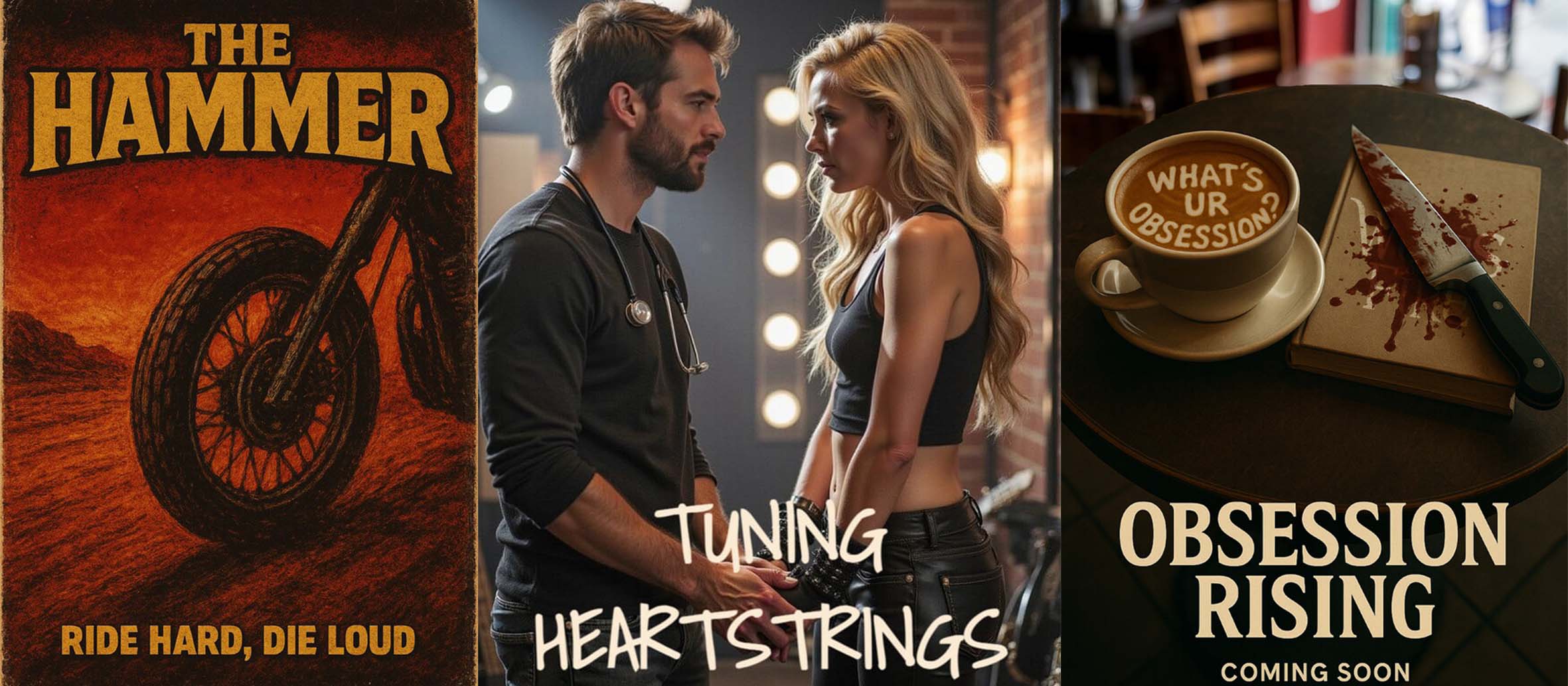
The Hammer is a feature film script about Francis—wrongfully thrown into the system as a child—who grows into the fierce leader of his own outlaw motorcycle club. The gritty narrative blends Action and Drama with a grindhouse edge while exploring loyalty, trauma, and chosen family. The vivid world-building and consistent tone, along with the compelling transformation of Francis into his hardened alter ego really worked for me. This is a high-octane character study of a man shaped by love, violence, and vengeance.
“Tuning Heartstrings” – Written by Heather Jensen (Southern Utah)
Heather’s feature Tuning Heartstrings follows a brilliant surgeon devastated by tragedy who rediscovers purpose through a rock musician hiding a life-threatening heart condition. Romance meets medical drama as the pair navigates vulnerability, fame, and healing. I loved the fully realized characters and authentic medical detail. The emotional journey is tender and resonant.
“The Wolves of Mount Saturn” – Written by Derek Hutchins
Derek’s feature plunges into a brutal post-apocalyptic wasteland where a mute woman fights to rescue her husband before a Cannibal King devours him. Packed with combat and world-mythology, the script feels like a genre mash-up of Action, Sci-Fi, and Road Warrior-style survival. I’m into the characters and high-energy action. This wild desert odyssey has the makings of a cult-classic adventure.
“When We Show Up” – Written by Trish Walker (Salt Lake City)
Trish’s docudrama When We Show Up follows a team of volunteers delivering disaster relief in a storm-battered town, turning service into hope.It is tightly written, emotional, and filled with authentic compassion, with a unique perspective by spotlighting the responders instead of the victims. The short stands as a tribute to ordinary people showing up when called.
“Checked Out” – Written by Sara Siggard & Amy Santos
This feature script Checked Out is a twisted dark comedy in which three women fall for the same man… who ends up dead. Suddenly, they’re dodging the mob, the killer, and the police in a chaotic scramble for survival. This is funny, female-driven, and full of potential for a wildly entertaining crime caper. With its strong premise and comedic bite, this story embraces the messy fallout of loving the wrong guy.
“Pirates of Vengeance” – Written by Shane Morrisun (Park City)
Shane’s short Pirates of Vengeance sails into a 1738 Caribbean adventure where a runaway pirate steals treasure—and his future—while racing his ruthless captain to freedom. The script’s fast pace and tight story left me eager for more as I love Shane’s structure and the cinematic vibe. This is a high-stakes pirate tale that delivers swashbuckling thrills.
“American Prophet” – Written by Conor Long & Walter Mirkss
This short film takes a provocative look at a young Joseph Smith staging a resurrection before his followers—walking the razor edge between devotion and deception. I was impressed with the punchy period dialogue, vivid imagery, and a sharp depiction of charisma used as power. This is a narrative that humanizes a controversial figure while leaning into the theatricality of belief.
“The Mark of Eve” – Written by Melody Brown Welch
Melody’s feature The Mark of Eve reclaims the story of artist Lee Krasner, exploring her turbulent marriage with Jackson Pollock while reframing the myths of art, gender, and creation. I was most drawn into the honest, emotionally charged portrayal of Krasner’s evolution—the decision to center her rather than the more famous man beside her. Poetic, bold, and rich with meaning, this script paints a necessary portrait of a woman history overlooked.
“Nothin But Bogeys” – Written by Alan Lucchetti (Salt Lake City)
Alan’s comedic short Nothin But Bogeys centers on a husband whose golf obsession pushes honesty—and his marriage—to the edge. This short has a fun premise and strong pacing, and is multi-layered beneath the comedy. The humor and relationship tension offer a relatable and entertaining watch. This is a spirited take on what happens when hobbies tee off into trouble.
“Swimming in the Rain” – Written by A.J. Moss
This feature blends fantasy and romance as Kaleb—a teen terrified of thunderstorms yet mysteriously connected to them—falls for a girl who only appears when it rains. I was struck by the originality and emotional heart of the script, and am impressed with AJ’s creative worldbuilding and themes. A tender supernatural love story that asks whether healing can be found in the storm.
“Turns Out It’s The Apocalypse… We Think” – Written by Natalie Lynch & Tara Jayn
This feature pairs two lifelong friends in a bunker during what may—or may not—be the end of the world. When the prepper boyfriend never shows, cabin fever, secrets, and survival instincts take over. I LOVED the fast, funny dialogue and the clever use of movie knowledge to decode what’s happening outside without feeling self-referential. This is a buddy comedy with heart that proves sometimes the hardest disaster to survive is each other.
“War” – Written by John Cheney
John’s short political thriller War follows a campaign manager who backs an underdog candidate to take down a corrupt government—and his own former boss. I liked the clear direction, thematic punch, and smooth pacing. The script delivers an intelligent exploration of power, betrayal, and the steep cost of winning. I like the sharp reminder that political victories rarely come clean.
“Neb of the Spiral” – Written by AJ Moss
This feature fantasy-drama centers on Neb, a girl from the spirit realm who breaks sacred rules to save a mortal boy and experience the life she never had. Another banger from AJ with the emotional core and imaginative concept, the visuals are vivid and the supernatural idea compelling. What AJ does really well is crafts a story that is a heartfelt crossing of two worlds that explores hope, sacrifice, and second chances.
“Lily and the Kid” – Written by Shane Morrisun (Park City)
Shane’s television pilot Lily and the Kid reimagines the rise of Billy the Kid as a coming-of-age journey told through flashbacks, with his loyal horse Lily ever at his side. I liked the historical detail, strong world building, and emotional bond at the heart of the story. The result is a grounded Western adventure that reveals the boy behind the legend.
“Obsession’s Rising” – Written by Andrew DeBennett & Shane Nolan
This feature thriller follows a coffee shop owner whose infatuation with a customer escalates into violence and horror. The atmosphere is engaging and the premise is darkly intriguing. Obsession’s Rising is a chilling look at obsession that taps into fear, isolation, and the danger of a love that consumes.
“#BecauseOf” – Written by Julie Johnson Oliver (Ogden Valley)
Julie’s feature #BecauseOf is based on a 2014 true story from Utah, where a teen channels grief into action after her best friend’s suicide, fighting to protect others and break silence around mental health. I appreciated the clear emotional core and clean writing style Julie used here. The intention is powerful—a call for community, compassion, and courage in the face of unspoken struggles.
“Cure for Creativity” – Written by Steve Capone Jr.
Steve’s short Cure for Creativity explores a desperate father-writer who undergoes radical psychological treatment to save his relationship with his daughter—only to discover creativity has a horrifying cost. What stood out to me was its originality, building tension, and polished formatting. This is a clever and unsettling horror concept that asks what we would sacrifice for the people we love.
Utah’s screenwriting community is packed with stories waiting to be discovered. Whether these projects ultimately land in this year’s festival or continue developing on their own trajectory, every one of these writers represents the creative spirit celebrated at UIFF.
If you’re a screenwriter in Utah—or anywhere, really—and you’re ready to take the next step, I’d love to see you at PitchTank during the Utah International Film Festival. Bring your log-lines and stories (more than 1 encouraged). So many screenplays got the green light last season, yours may be next.
Keep writing and keep pushing those scripts forward.
The world needs your story.
Comedy
Troop 458
WARNING! This review contains SPOILERS!
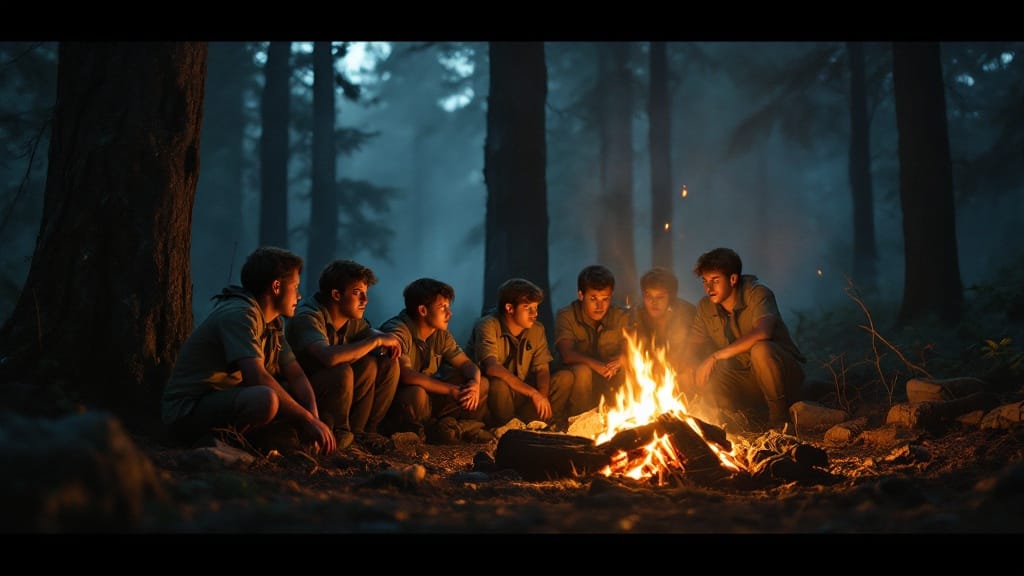
Troop 458, written by Trevor Allen, captures the often daunting, yet transformative, experience of being the new kid in a world full of unknowns. We follow Sidney, an anxious boy thrown into his first Boy Scouts campout, where he faces both the perils of acceptance and the strangeness of his eccentric scout leader. As spooky campfire tales start to weave into reality, Sidney is forced to confront his fears head-on, finding moments of humor, adventure, and unexpected camaraderie along the way.
I like the concept of Troop 458 because it blends coming-of-age themes with a playful sense of adventure, all wrapped in an atmosphere tinged with just the right amount of mystery. Allen’s writing brings to life a cast of memorable characters, especially through Sidney’s journey of growth. The tension between humor and fear feels authentic to the Boy Scouts’ setting, and it captures the real challenges kids face when trying to fit in.
What resonated with me most was the screenplay’s exploration of courage—not just in facing mythical dangers but in embracing who you are, quirks and all. Some aspects could benefit from a clearer focus on character motivations and tighter pacing to keep the momentum strong, particularly during scenes that blur the line between myth and reality.
The dialogue is great in many places, offering humor that feels natural for a group of young scouts. There were moments where I felt the conversations could be a bit sharper or more distinct to heighten the comedic or emotional impact. Character development is a strong suit, with Sidney’s evolution being both relatable and satisfying, but secondary characters could have a bit more depth to elevate the ensemble.
Allen’s Troop 458 is polished, with solid grammar, spelling, and formatting that adhere to professional standards. The structure is clean and makes for an easy read, setting up scenes that are visually compelling.
Troop 458 delivers an enjoyable mix of humor, heart, and a touch of the supernatural, leaving me eager to see how it might come to life on screen.

A Call That Changes Everything in Don’t Hang Up

The Quiet Rebellion of Sister Wives

Can You Trust What You See Anymore?

Finding Acceptance

Utah Screenwriters Spotlight

Waiting for You

