
Documentary
Join the Club
Directed by Kip Andersen and Chris O’Connell
Warning – This review may contain spoilers.
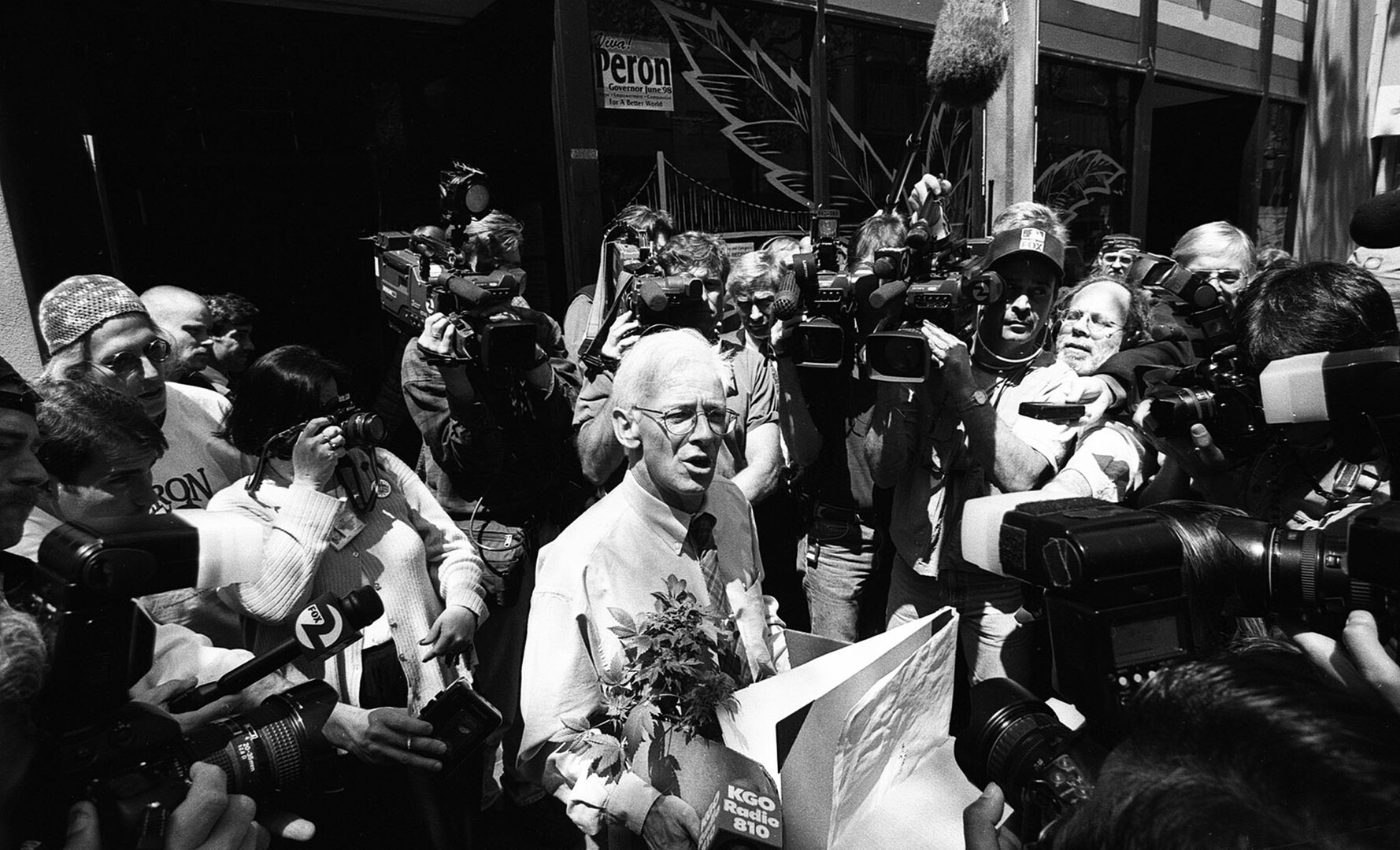
Join the Club follows the life of Dennis Peron, a prominent figure in both the LGBTQ+ community and the fight for marijuana legalization in America. Set against the backdrop of the AIDS epidemic in San Francisco, Peron transitions from being the city’s biggest pot dealer to a key advocate for medical marijuana. After the death of his lover, Peron realizes that cannabis is not only a recreational drug but a form of medicine that could provide relief to those suffering from HIV and AIDS. In response, he opens the Cannabis Buyers’ Club, a vibrant five-story dispensary that becomes a symbol of hope, activism, and community. Despite law enforcement’s multimillion-dollar investigation into the club, Peron sets his sights on a larger goal: writing a groundbreaking political initiative to legalize medical marijuana in California.
The documentary excels in its ability to humanize Dennis Peron’s activism and passion, uncovering a lesser-known but critical chapter in the history of marijuana legalization. It blends personal narrative with historical context, allowing viewers to fully understand how the AIDS epidemic served as a turning point for cannabis advocacy in America. The inclusion of archival footage, interviews, and vibrant visuals of the Cannabis Buyers’ Club creates a dynamic and immersive storytelling experience. Peron’s journey from pot dealer to political activist is presented with clarity, showcasing his transformation as both personal and political. The film also highlights the intersection between the LGBTQ+ community and the fight for cannabis legalization, giving audiences a glimpse into the queer history that fueled these societal changes.
Join the Club is technically superb as well. The cinematography captures both the emotional intensity of Peron’s story and the broader socio-political atmosphere of the time. The use of lighting, especially in interviews, adds a sense of intimacy to the personal stories being shared. Archival footage of protests, legal battles, and the daily life inside the Cannabis Buyers’ Club provides historical depth, while the pacing of the film keeps the viewer engaged throughout. The sound design, including music and background audio, complements the documentary’s tone, making key moments more impactful. Editing choices, particularly the blending of past footage with present-day interviews, help maintain a seamless narrative structure, while showcasing the emotional and historical weight of the story.
The documentary also benefits from the strength of its subjects. The interviews, particularly with those who knew Peron personally, as well as medical marijuana advocates, add layers of authenticity and emotion. The audience is able to witness firsthand the impact Peron had not only on marijuana legislation but also on the lives of countless individuals suffering during the AIDS crisis. This sense of personal connection is a significant part of the film’s success, allowing viewers to feel emotionally invested in Peron’s mission.
Join the Club is a well-crafted and engaging documentary that uncovers a vital piece of American history. The film’s message of resilience, hope, and activism resonates deeply, especially in its portrayal of Peron’s determination to create a better world for those affected by HIV and AIDS. With its strong technical execution, compelling narrative, and historical significance, audiences will likely find Join the Club both educational and emotionally moving. It is a tribute to Dennis Peron’s legacy and a reminder of the power of grassroots activism.

Documentary
6 New Notable Documentaries Made in Utah



Documentary
10 Don’t-Miss Biographical Docs


Documentary
Chekhov.Offstage – Film Review
Warning Spoilers
I’ll be honest, when I saw we had a 40-minute Russian documentary about a theater submitted to the festival, I was ready to make an excuse to pass on the review. Then learned that this was a film in sign language. A foreign art film about theater, with subtitles? Sounded like a tough sell, and something I’d normally skip for a good nap. But it was only 40 minutes, so I figured, what have I got to lose?
I’m glad I took the chance, because “Chekhov.Offstage” completely blindsided me. This is not the stuffy, academic history lesson I was bracing for.
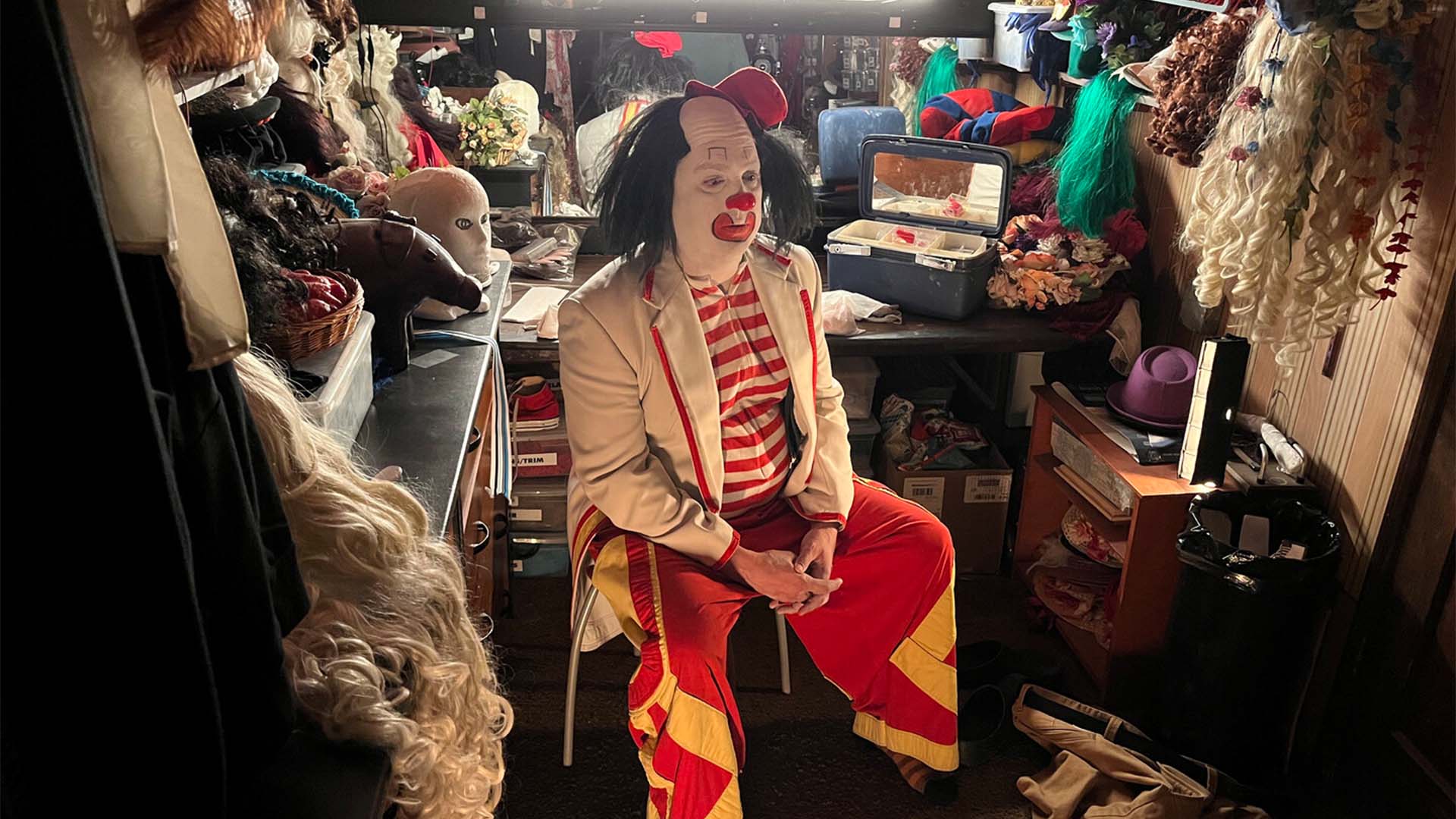
The film’s secret sauce is in its setup, which is something I never would have expected. It’s not a narrator droning on about dates and famous names. Instead, I found myself following a hard-of-hearing guide giving a personal, backstage tour of the legendary Chekhov Moscow Art Theatre to a deaf teenage boy. Right away, I realized the film wasn’t just telling me about history; it was showing me history being passed down in a deeply personal way. The guide’s mission is to light a fire in this kid, to show him that even in this hallowed, old-world place, there’s a spot for someone like him.
And what a tour it was. I wasn’t just looking at old props. The guide turns it into a real adventure. We go places most people never see—I felt like I was right there with them, creeping around the mysterious vaults under the main stage and climbing up to the “cosmic” upper galleries. The boy gets to see the makeup artists, the set builders, the machinery operators—the real engine room of the theater. I watched him taking it all in, imagining himself in each role, and I could feel his fascination with the innovative spirit of the theater’s founders, Stanislavsky and Nemirovich-Danchenko.
At first, I thought the sign language might be a barrier, but it quickly became the film’s biggest strength. It forced me to pay attention differently—to watch the expressions, the hands, the raw communication happening on screen. It was more immersive that way. There’s a note at the end that says, “Our film is not about deaf people. Our film is for everybody,” and they absolutely nail it. This isn’t a story about limitations; it’s a story about human connection and passion, told through a different, and frankly beautiful, lens.
After I finished the film, I had to look up the director, Anna Turchaninova, and it all clicked into place. Her biography shows this isn’t a one-off project for her; she’s made other films in Russian Sign Language and has a history of working on creative projects for the deaf community. That authenticity is something you can’t fake, and I could feel her experience woven through every scene.
“Chekhov.Offstage” manages to do a lot in a short amount of time. It’s a fascinating look at a world-famous institution, a powerful story about mentorship, and a witness to the idea that the drive to create can overcome any barrier. It’s got grit, heart, and a perspective I won’t soon forget.
Don’t let the description fool you. Give it 40 minutes of your time. You won’t regret it.

A Call That Changes Everything in Don’t Hang Up

The Quiet Rebellion of Sister Wives

Can You Trust What You See Anymore?

Finding Acceptance

Utah Screenwriters Spotlight

Waiting for You

