
Horror
Hidden
Directed by Matthew P. Camacho
WARNING! This review contains spoilers.
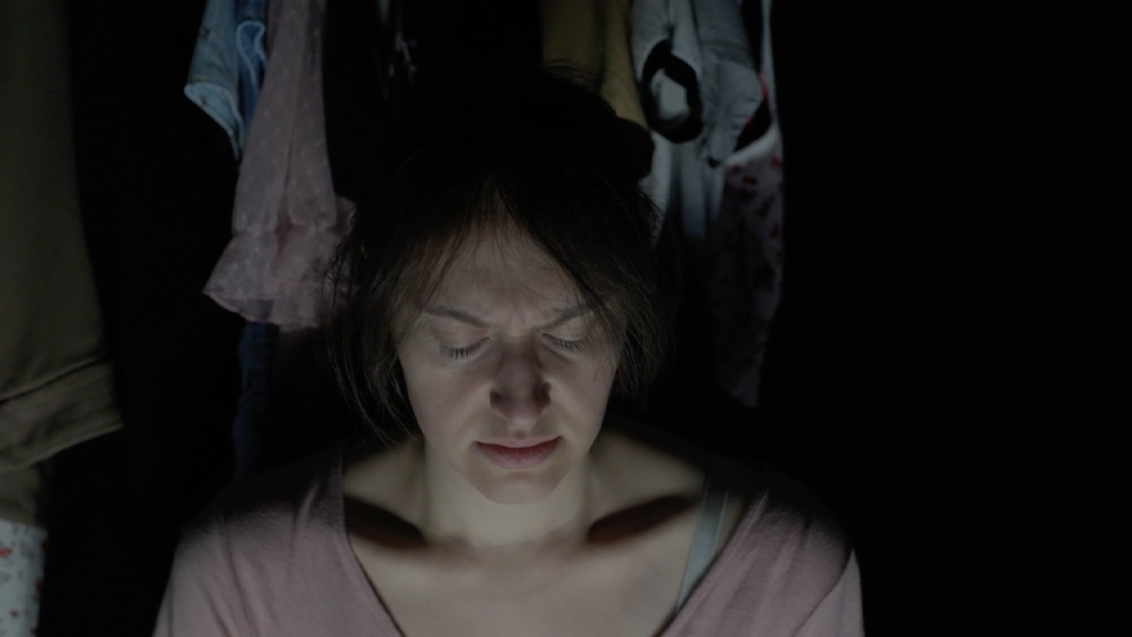
“Hidden” is a short film that captures the terror of isolation, focusing on the idea that fear often strikes hardest when we’re alone. The plot centers around a woman named Jewel, trapped in a closet, seemingly hiding from an unseen presence. The story aims to explore how fear can become overwhelming when there’s no escape and how the mind can play tricks in such situations.
If I were to program this film, I’d place it in a screening block emphasizing its focus on psychological horror and the fear of the unknown. The film opens with impressive visuals—lighting is dynamic, creating a haunting atmosphere that sets the stage for a tense experience. The sound design starts strong, enhancing the unsettling mood with ominous echoes and reverberations that echo Jewel’s growing fear. Despite these strong technical elements, the film struggles to maintain its initial momentum, as the cinematography becomes repetitive, relying on medium-close shots with color shifts that add little to the narrative. Editing also feels unmotivated, with the pacing failing to build the kind of suspense expected from a horror short.
As for the story, Hidden presents a straightforward scenario of fear manifesting in isolation, but it’s hard to grasp the broader narrative or deeper meaning behind Jewel’s plight. While the film does capture the essence of terror in a confined space, it falls short of delivering a satisfying or clear conclusion. I found myself wondering about the nature of the threat, what Jewel was truly hiding from, and whether there was more to her backstory. Audiences looking for a more layered psychological experience may feel underwhelmed by the lack of story progression.
Personally, the film resonated with me on the basic level of fear—no one enjoys feeling trapped or threatened, especially in darkness. It does a good job of encapsulating that raw, uncomfortable emotion. However, without a clearer plot or deeper character development, it’s hard to maintain that connection throughout. Hidden succeeds in capturing the initial fright but struggles to sustain its impact beyond that moment.

Fantasy
The Pearl Comb – The Watchlist

Fantasy
Artifex

Directed by Alan Lucchetti
WARNING! This review contains spoilers.
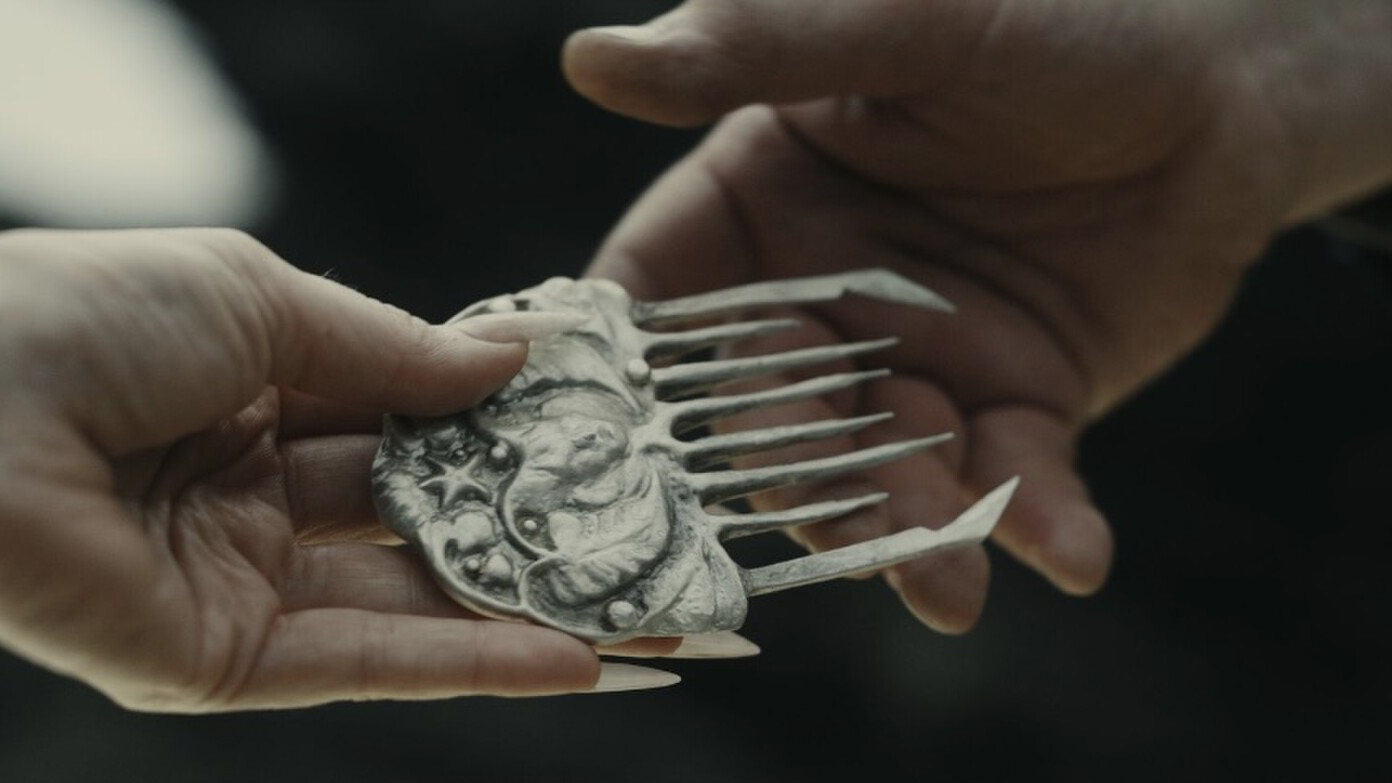
“Artifex” tells the story of a modern-day Renaissance man who embarks on a quest to uncover the truth about his mysterious condition, all while keeping it hidden from those closest to him. As the protagonist dives into this quest, he finds himself at the crossroads of history, myth, and the supernatural. The film sets an intriguing tone, combining elements of drama and thriller with a sense of ever-present darkness.
If I were to program Artifex at a festival, I’d likely place it in a screening block called “Shadowed Realms” or “Dark Echoes,” highlighting its themes of lurking danger and hidden truths. The sound design plays a crucial role in maintaining suspense, keeping viewers engaged with a sense of impending doom. Lucchetti’s eye for detail is evident, with strong visuals that enhance the story’s dark tone. Close-ups effectively draw attention to key dialogue moments, like the intense scene with the old man in the editing room. The lighting, especially in the opening car wash scene and the sound studio, plays with shadows in a captivating way, adding depth to the atmosphere. However, the use of artistic visuals during dialogue feels more distracting than enhancing, breaking the immersion.
In terms of story, Artifex follows two friends whose bond is tested when one steals a mystical necklace that amplifies the wearer’s voice and grants an almost invincible feeling. The two eventually reconcile, but the film’s narrative lacks clarity. Key elements, such as the significance of the necklace or the protagonist’s motivations, remain unclear. I found myself puzzled by what the main character hoped to achieve by breaking into the house, as well as the purpose of the burning man’s presence. The reconciliation between the friends feels oddly casual given the stakes, leaving me unsure of the protagonist’s emotional journey.
On a personal level, Artifex didn’t resonate deeply with me, mainly due to its confusing plot and lack of narrative momentum. While the film offers some stunning visuals and a haunting atmosphere, the story’s repetitions and minimal conflict kept it from fully engaging me. Despite these issues, the film might appeal to viewers who enjoy visually driven, mood-centric stories. Overall, Artifex presents an ambitious blend of thriller and supernatural drama, but it struggles to deliver a coherent story that matches its atmospheric style.
Drama
Wildcat
Directed by Laurie Powers Going
Warning – This review may contain spoilers.
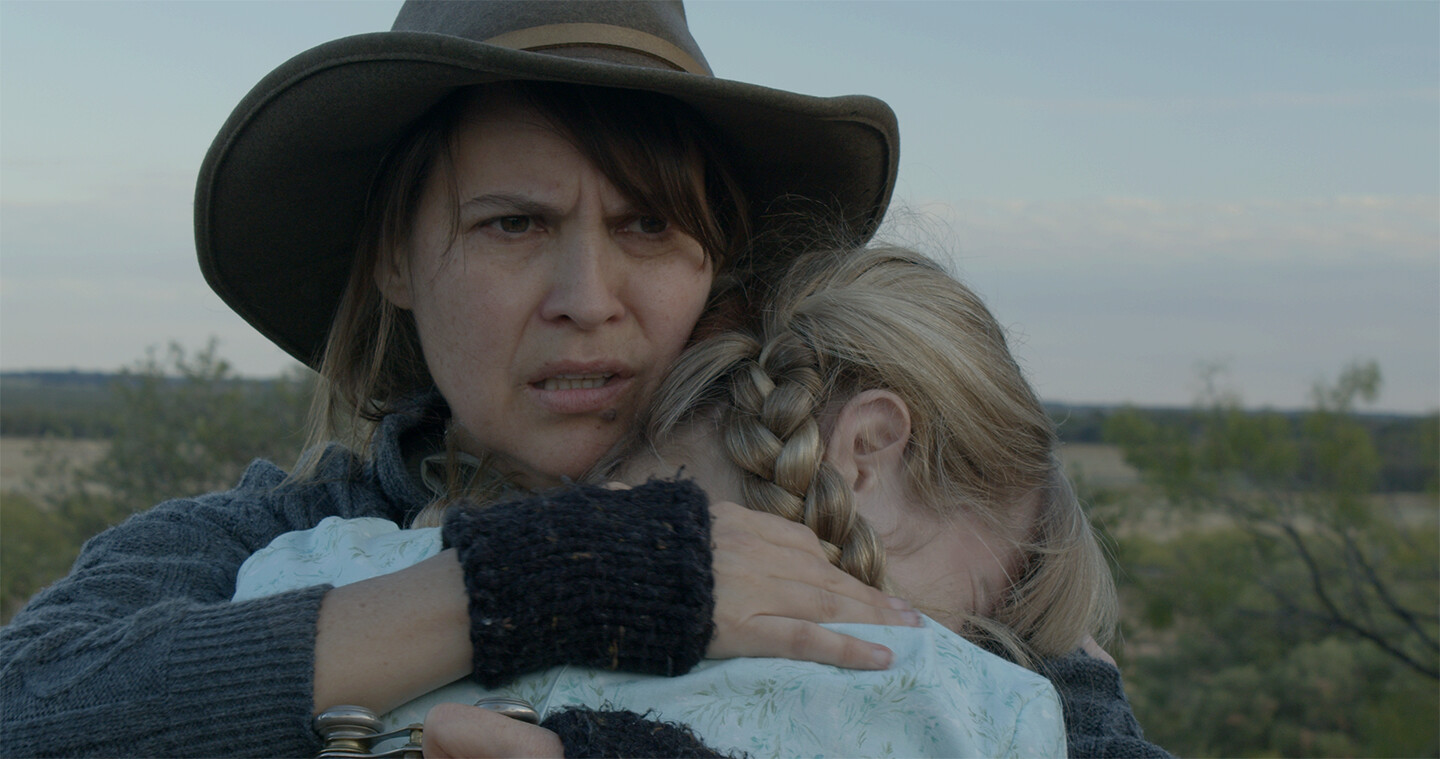
Wildcat tells the story of Clara (Brenda Hattingh Peatross) a determined mother searching for answers after her husband, Sam (Johnny Chops), and daughter, Dottie (Elle Graper), mysteriously disappear. Set in early 1900s Texas during the oil boom, the film weaves themes of desperation, isolation, and the supernatural as Clara stalks the crew Sam worked with, believing them responsible for her family’s disappearance. The narrative takes a darker turn when Dottie suddenly reappears, but with something unsettling about her. Throughout a long, tension-filled night, Clara and Otis, the oil well owner (Adam Kitchen) come face to face, while a malevolent force toys with them.
The film effectively builds suspense and I found Clara’s desperation to be compelling as Peatross delivers a strong performance that carries the weight of her character’s emotional turmoil. Her portrayal of a mother driven by grief and anger anchors the film’s tension. However, the story leaves some critical gaps. There’s no clear explanation about how long Sam and Dottie have been missing or what circumstances led to their disappearance, which makes it harder to connect deeply with Clara’s quest. Dottie’s ghostly return, while eerie, lacks the necessary backstory to make her presence feel fully justified within the narrative, which diminishes the emotional impact of the film’s conclusion.
The sound design creates a tense atmosphere especially with the ominous noises that heighten the sense of dread. However, the song choice at the very end doesn’t fit with the rest of the film’s tone. The cinematography misses the opportunity to fully showcase the vast, desolate plains of Texas, which could have deepened the themes of isolation and loneliness. While the editing was uneven in sustaining the horror aspects, there are standout moments, particularly the scene where Otis throws a knife at Dottie’s ghost, a sequence that is both chilling and well-executed.
The performances were solid with Brenda Hattingh Peatross bringing a strong sense of intensity to Clara, and Adam Kitchen’s portrayal of Otis offering a grounded counterbalance to her increasingly frantic behavior. Johnny Chops brings a subtle but important layer to Sam’s backstory through flashbacks, while Elle Graper as Dottie brings an eerie, unsettling presence to her ghostly role.
Wildcat struggles to fully connect due to its lack of clear backstory and character development. The plot feels disjointed at times, and the motivations behind certain supernatural elements remain unclear. The final scene, while visually striking, doesn’t carry the emotional weight it could have if the film had done more to build the relationship between Clara, Sam, and Dottie.
Wildcat explores themes of desperation, grief, and isolation within the framework of a thriller set in the Texas oil boom. While Laurie Powers Going delivers a suspenseful short, and the cast, particularly Brenda Hattingh Peatross and Adam Kitchen, bring strong performances, the film leaves too many questions unanswered. I feel audiences seeking a slow-burn thriller may appreciate the tension. I just wanted more backstory and deeper character connections. Still, its worth a watch!

A Call That Changes Everything in Don’t Hang Up

The Quiet Rebellion of Sister Wives

Can You Trust What You See Anymore?

Finding Acceptance

Utah Screenwriters Spotlight

Waiting for You

