
Documentary
haUnTed – Exploring The Paranormal
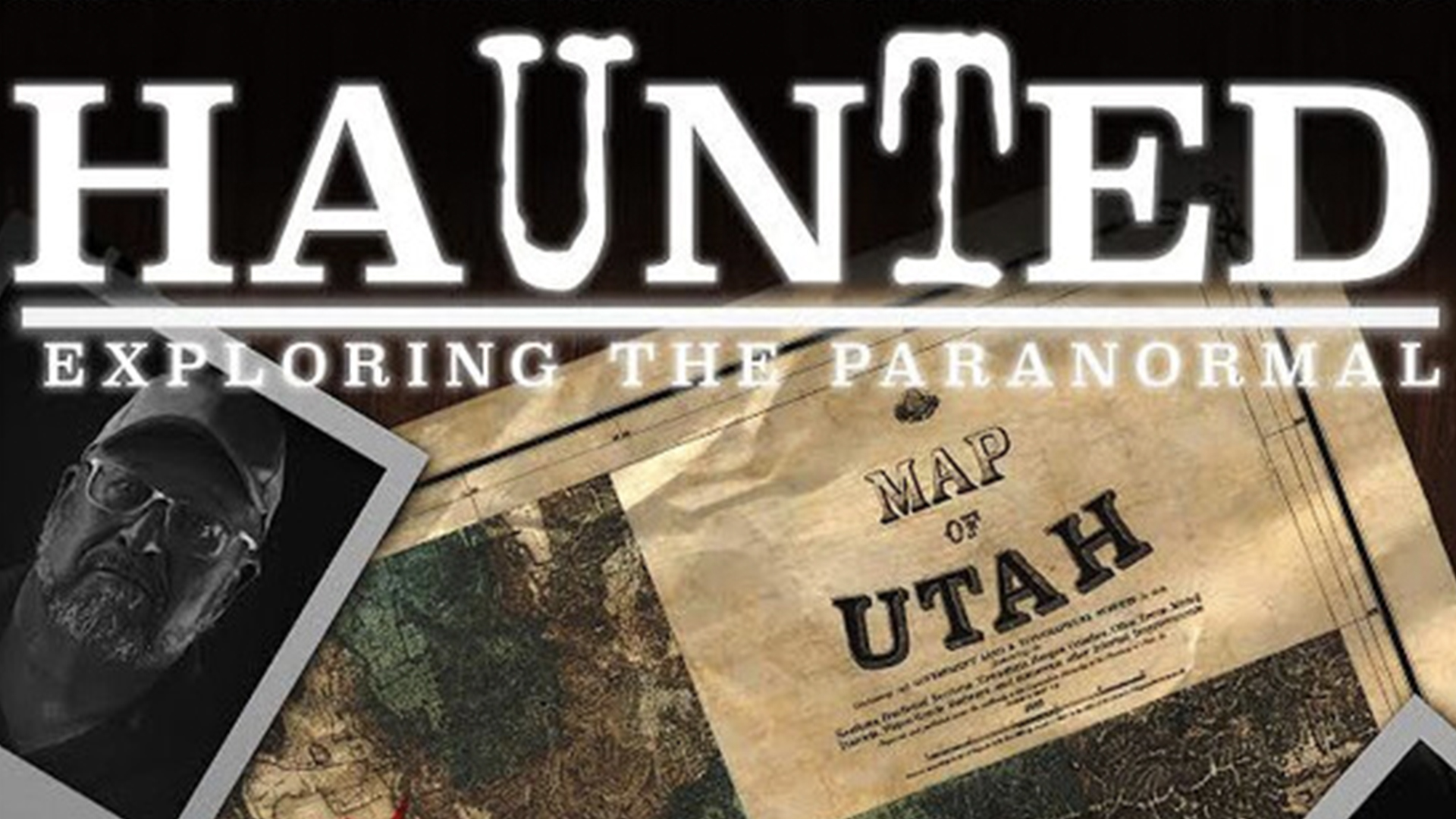
Directed by Tanner Alex Reyburn and Daria Pustovoytova
Warning – this review may contain spoilers
haUnTed – Exploring The Paranormal is a documentary that takes viewers on a journey through Utah’s paranormal scene, featuring interviews with psychics, paranormal investigators, and people who’ve had supernatural experiences. I found the variety of perspectives interesting, especially since they came from such different backgrounds. Hearing stories from those who claim to have encountered the paranormal kept me engaged, but I felt like the film struggled to tie everything together. At times, it jumped from one subject to another too quickly, and I found myself wishing for more focus. The ghost hunt toward the end seemed like it would be the film’s climax, but it felt rushed and didn’t deliver the intensity I was expecting.
The interviews were engaging, with some genuinely spooky moments, but I think the documentary bit off more than it could chew. It tried to explore so many different aspects of the paranormal world, and as a result, it sometimes lost momentum. The lack of cohesion between interviews and the ghost hunt made it harder for me to stay fully immersed. I appreciated the range of experiences shared, and I think paranormal enthusiasts would enjoy the variety of stories. Skeptics, however, might find the lack of solid evidence or a clear narrative a bit frustrating.
From a technical filmmaking perspective I noticed a lot of inconsistency. The interviews were well-lit and composed, which I appreciated, but once the documentary shifted to the ghost hunting segment, things went downhill a bit. The footage became too dark, and some shots were out of focus, which made it hard to follow what was happening. Sound was another issue, with some interviews being crystal clear while others were hard to hear. The music was subtle, which I liked, but it didn’t do much to elevate the tension during the ghost hunt, which felt like a missed opportunity. The editing, especially in the ghost hunting scenes, felt a bit disjointed, and the constant use of fades sometimes took me out of the experience.
I didn’t find myself personally connected to the film, but I did enjoy some of the stories, particularly those that offered a more eerie or mysterious tone. haUnTed – Exploring The Paranormal had potential, but I think it would have benefited from a more focused narrative and a stronger conclusion. If you’re a fan of paranormal stories, you’ll probably find something to enjoy here, but if you’re looking for a truly compelling ghost hunt or solid proof of the supernatural, it might leave you wanting more.

Documentary
6 New Notable Documentaries Made in Utah



Documentary
10 Don’t-Miss Biographical Docs


Documentary
Chekhov.Offstage – Film Review
Warning Spoilers
I’ll be honest, when I saw we had a 40-minute Russian documentary about a theater submitted to the festival, I was ready to make an excuse to pass on the review. Then learned that this was a film in sign language. A foreign art film about theater, with subtitles? Sounded like a tough sell, and something I’d normally skip for a good nap. But it was only 40 minutes, so I figured, what have I got to lose?
I’m glad I took the chance, because “Chekhov.Offstage” completely blindsided me. This is not the stuffy, academic history lesson I was bracing for.
The film’s secret sauce is in its setup, which is something I never would have expected. It’s not a narrator droning on about dates and famous names. Instead, I found myself following a hard-of-hearing guide giving a personal, backstage tour of the legendary Chekhov Moscow Art Theatre to a deaf teenage boy. Right away, I realized the film wasn’t just telling me about history; it was showing me history being passed down in a deeply personal way. The guide’s mission is to light a fire in this kid, to show him that even in this hallowed, old-world place, there’s a spot for someone like him.
And what a tour it was. I wasn’t just looking at old props. The guide turns it into a real adventure. We go places most people never see—I felt like I was right there with them, creeping around the mysterious vaults under the main stage and climbing up to the “cosmic” upper galleries. The boy gets to see the makeup artists, the set builders, the machinery operators—the real engine room of the theater. I watched him taking it all in, imagining himself in each role, and I could feel his fascination with the innovative spirit of the theater’s founders, Stanislavsky and Nemirovich-Danchenko.
At first, I thought the sign language might be a barrier, but it quickly became the film’s biggest strength. It forced me to pay attention differently—to watch the expressions, the hands, the raw communication happening on screen. It was more immersive that way. There’s a note at the end that says, “Our film is not about deaf people. Our film is for everybody,” and they absolutely nail it. This isn’t a story about limitations; it’s a story about human connection and passion, told through a different, and frankly beautiful, lens.
After I finished the film, I had to look up the director, Anna Turchaninova, and it all clicked into place. Her biography shows this isn’t a one-off project for her; she’s made other films in Russian Sign Language and has a history of working on creative projects for the deaf community. That authenticity is something you can’t fake, and I could feel her experience woven through every scene.
“Chekhov.Offstage” manages to do a lot in a short amount of time. It’s a fascinating look at a world-famous institution, a powerful story about mentorship, and a witness to the idea that the drive to create can overcome any barrier. It’s got grit, heart, and a perspective I won’t soon forget.
Don’t let the description fool you. Give it 40 minutes of your time. You won’t regret it.

A Call That Changes Everything in Don’t Hang Up

The Quiet Rebellion of Sister Wives

Can You Trust What You See Anymore?

Finding Acceptance

Utah Screenwriters Spotlight

Waiting for You

