
Connect with us

Fantasy

Artifex

Directed by Alan Lucchetti

WARNING! This review contains spoilers. 

“Artifex” tells the story of a modern-day Renaissance man who embarks on a quest to uncover the truth about his mysterious condition, all while keeping it hidden from those closest to him. As the protagonist dives into this quest, he finds himself at the crossroads of history, myth, and the supernatural. The film sets an intriguing tone, combining elements of drama and thriller with a sense of ever-present darkness.

If I were to program Artifex at a festival, I’d likely place it in a screening block called “Shadowed Realms” or “Dark Echoes,” highlighting its themes of lurking danger and hidden truths. The sound design plays a crucial role in maintaining suspense, keeping viewers engaged with a sense of impending doom. Lucchetti’s eye for detail is evident, with strong visuals that enhance the story’s dark tone. Close-ups effectively draw attention to key dialogue moments, like the intense scene with the old man in the editing room. The lighting, especially in the opening car wash scene and the sound studio, plays with shadows in a captivating way, adding depth to the atmosphere. However, the use of artistic visuals during dialogue feels more distracting than enhancing, breaking the immersion.

In terms of story, Artifex follows two friends whose bond is tested when one steals a mystical necklace that amplifies the wearer’s voice and grants an almost invincible feeling. The two eventually reconcile, but the film’s narrative lacks clarity. Key elements, such as the significance of the necklace or the protagonist’s motivations, remain unclear. I found myself puzzled by what the main character hoped to achieve by breaking into the house, as well as the purpose of the burning man’s presence. The reconciliation between the friends feels oddly casual given the stakes, leaving me unsure of the protagonist’s emotional journey.

On a personal level, Artifex didn’t resonate deeply with me, mainly due to its confusing plot and lack of narrative momentum. While the film offers some stunning visuals and a haunting atmosphere, the story’s repetitions and minimal conflict kept it from fully engaging me. Despite these issues, the film might appeal to viewers who enjoy visually driven, mood-centric stories. Overall, Artifex presents an ambitious blend of thriller and supernatural drama, but it struggles to deliver a coherent story that matches its atmospheric style.

Continue Reading

Fantasy

The Pearl Comb – The Watchlist
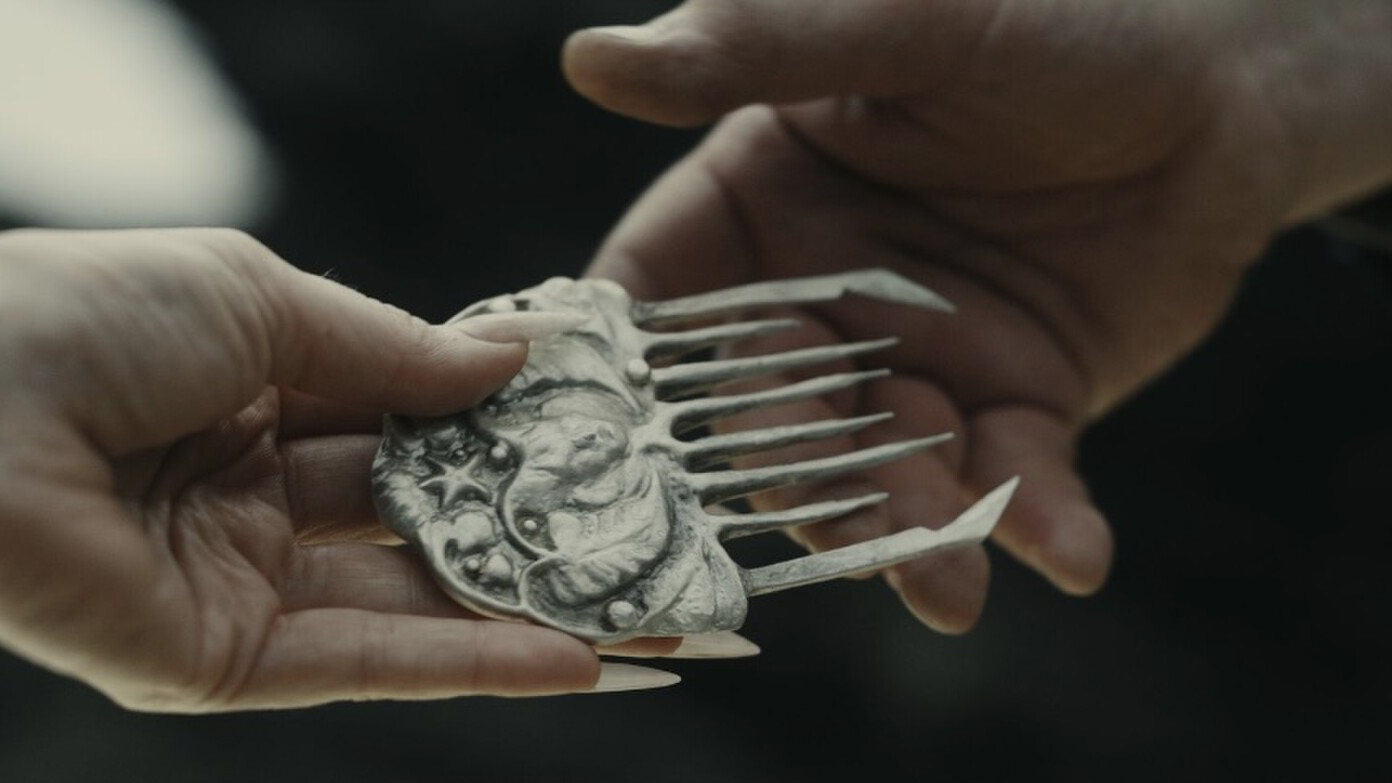
Recently, a short film caught my attention after being selected at several Oscar-qualifying festivals around the country. That film is The Pearl Comb.

In 1893, an endearing Cornish fisherman’s wife captures the attention of the medical profession as the first person to cure someone of tuberculosis. A doctor—determined to prove that a woman’s place is in the home and not in medicine—is sent to investigate her miraculous claim, only to discover the source of her unearthly power.

The film is directed by Ali Cook, who’s no stranger to making compelling shorts. His previous work, The Cunning Man, screened at 88 international festivals and won 33 awards.

Several aspects of The Pearl Comb stood out to me, the first being its production design. I’m a stickler for immersive storytelling, and this film pulled me right into 1893 Cornwall. Everything—from the sound design to the visual details—kept me rooted in the world, never distracted by anything outside the moment.

Speaking of sound design, it was spot-on. It didn’t feel overly polished just for the sake of clarity—it felt natural, lived-in, and perfectly matched the tone of the story.

Ali Cook not only directed but also took on the role of the doctor, delivering a layered performance while crafting a well-thought-out, multi-dimensional story.

Beattie Edney was outstanding in her role. Every moment she was on screen felt authentic and fully in service of the story. She made it look effortless, but having seen many films this season at the Utah International Film Festival, I can say her performance could be a masterclass for many actors.

Clara Paget, the Mermaid, has a natural ability to command the viewer’s attention. Her performance was subtle yet intense, with an impressive range—from meek and humble to ferocious and otherworldly. Her ability to communicate so much with just her eyes was remarkable.

The film also owes much of its success to cinematographer Dave Miller. Dave shaped the lighting and color as if they were another character in the story. Many horror-leaning films hide in shadow, but here, every detail of the set was visible while still maintaining a consistent, moody tone. A standout moment for me was the light in the tank toward the end—an inspired choice that gave the climax a vital splash of color.

This production clearly had an entire team operating at a high level across every department—something you’d expect from a modest-budget feature rather than a short. This wasn’t five friends with a camera; this was a small army, and they all delivered.

Pro tip: don’t leave the theater too soon—you’ll miss a post-credit scene.

Filmmakers often ask me what they can do to improve their short to increase festival success. In this case, I have no notes. The Pearl Comb is fantastic, and I’ll personally be championing it for festivals I’m involved with. It’s that good.

Beatie Edney "Betty Lutey"
Continue Reading

Drama

Eugenie

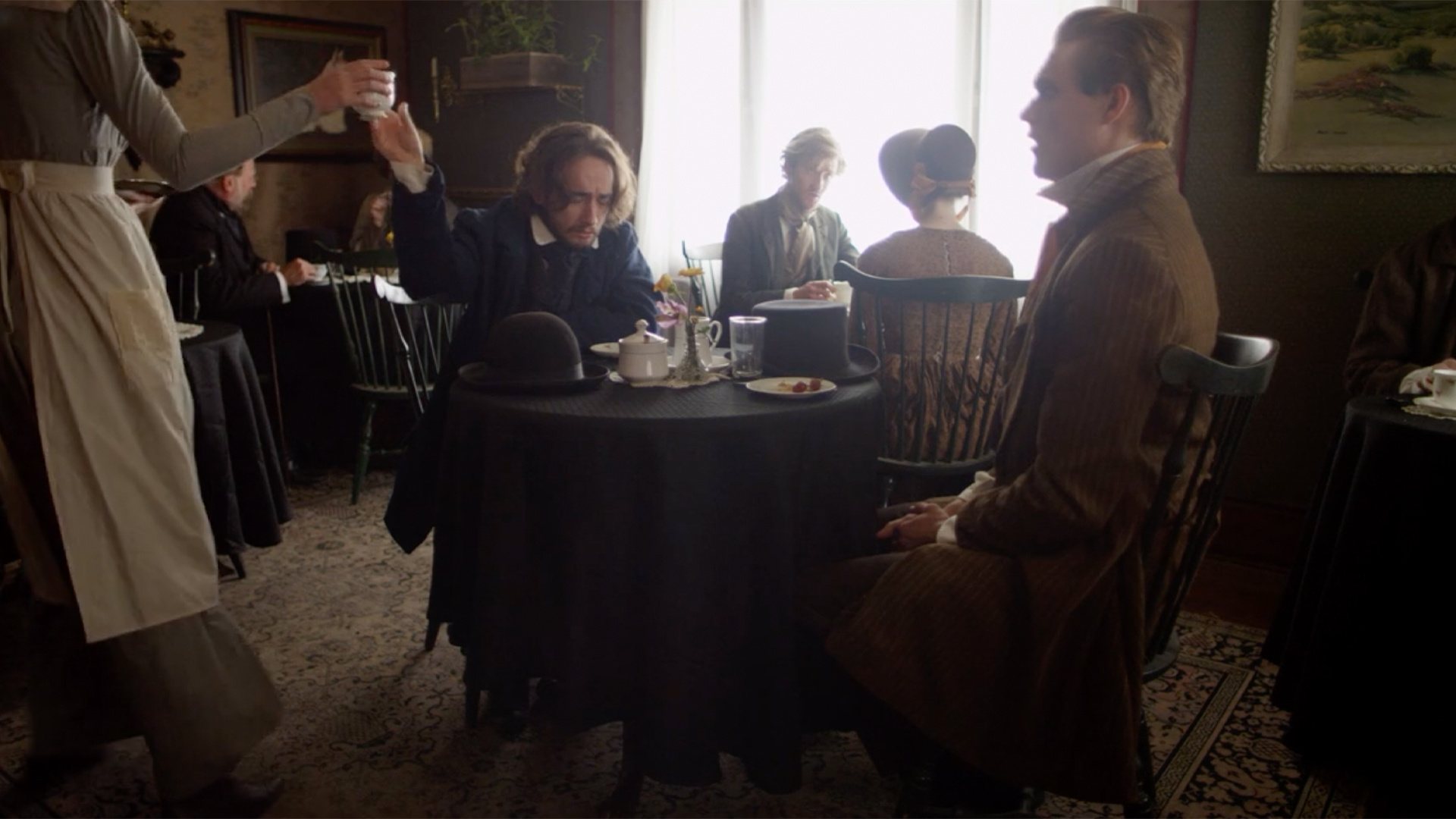
“Eugenie”, released in 2013, invites viewers into a beautifully crafted 19th-century French world where the boundaries between creation and reality blur in captivating ways. This film is a delightful treat for anyone who enjoys intricate storytelling and lush period pieces.


At its heart, “Eugenie” revolves around a French novelist who finds himself entangled in a profound dilemma: should he hold on to his enchanting creation, Eugenie, or allow her to carve out her own path? It’s a fascinating premise that delves deep into the nature of creation and control, making us ponder how much we really own our imaginative offspring.


The immersive experience of “Eugenie” is largely thanks to its period set design, costumes, and props. The creative team has done a stellar job in bringing the 19th century to life, ensuring that every detail enhances the film’s authenticity. The wardrobe and props are not just visually appealing but also serve to anchor the audience firmly in this bygone era.


Agnus McKay’s music is another highlight, beautifully underscoring the emotional landscape of our main character – the Writer. The score amplifies the highs and lows of his journey, from moments of mania to deep bouts of depression, adding a rich layer to the film’s emotional impact.


Derek Pueblo’s cinematography is equally impressive, capturing the nuances of the Writer’s tumultuous inner world with an eye for detail that makes each scene feel both intimate and expansive. His camera work deftly highlights the Writer’s moments of catharsis and turmoil, enhancing the audience’s connection to the story.


The performances in “Eugenie” are nothing short of exceptional. Davey Morrison, who not only stars as the Writer but also penned the screenplay, brings an incredible depth to his role. His portrayal of the Writer is so layered that it invites contemplation on the meta-nature of the film itself. It’s fascinating to think about Morrison as both the writer and the character grappling with his own creation. Becca Ingram, as Eugenie, delivers a performance that is both captivating and poignant, perfectly complementing Morrison’s portrayal.


The film also benefits from strong support from David Smith and Babetta Kelly, whose roles as Louise and Maria respectively add further dimension to the story.


“Eugenie” serves as a thoughtful exploration of how we engage with our creations and the importance of distinguishing between fantasy and reality. It’s a poignant reminder that while it’s easy to fall in love with the allure of ideas, real adventure lies in the relationships and experiences we share with actual people. 


“Eugenie” is a beautifully executed film that weaves together compelling performances, meticulous craftsmanship, and profound themes into a memorable cinematic experience. It’s a must-watch for anyone who appreciates a well-told story set against a meticulously recreated historical backdrop.


Continue Reading

Drama

The Astronaut

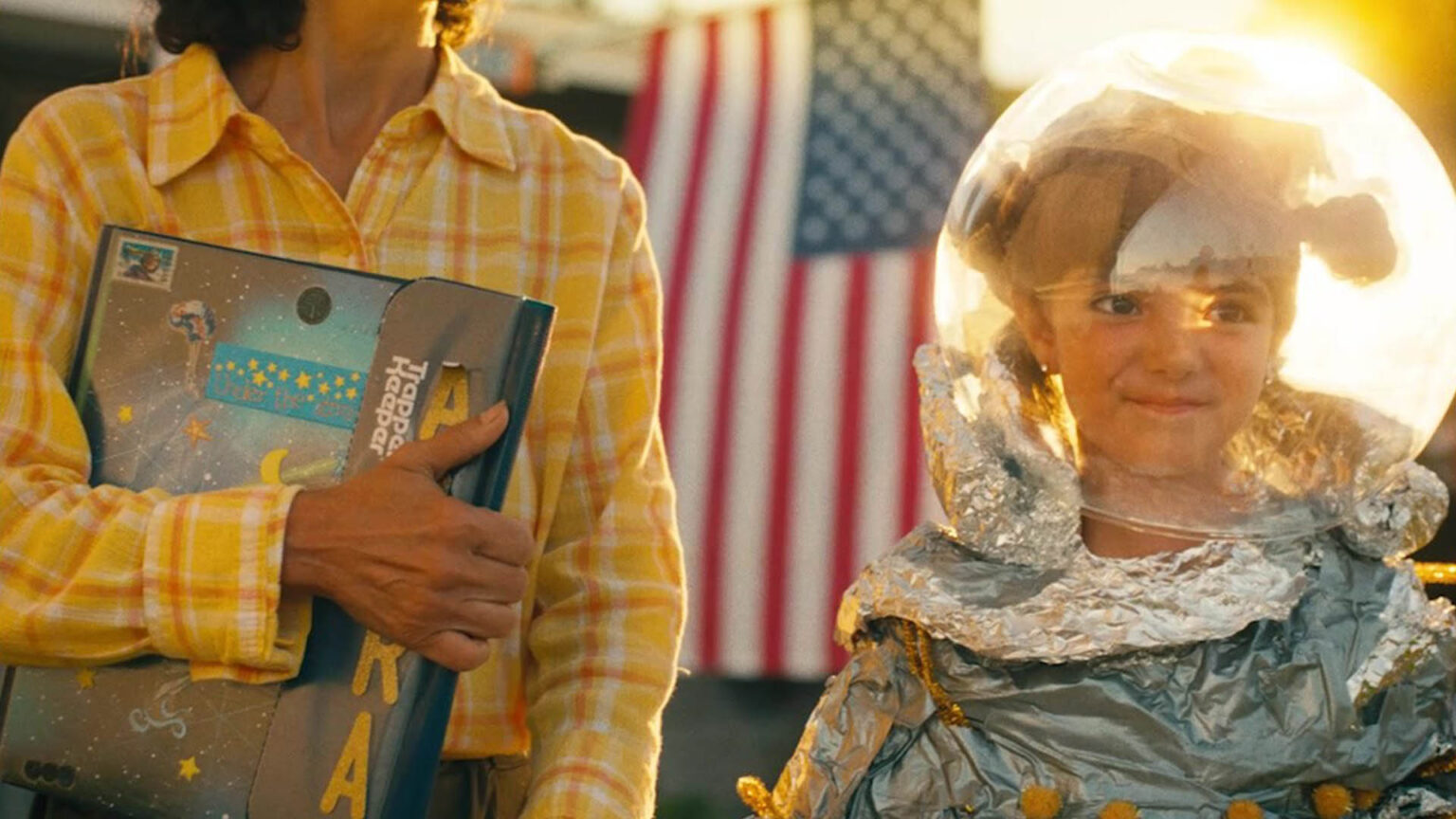
Set against the backdrop of Long Beach’s semi-futuristic landscape we meet Aura, an eight-year-old with a passion for space. in Damian Apunte’s film, “The Astronaut.” In an interview, Apunte shares the inspiration behind the film, the challenges faced during production, and his advice for aspiring filmmakers.


The story originated from Apunte’s lifelong fascination with space and his desire to create a film featuring a child as a larger-than-life character. The filmmaker drew inspiration from the futuristic aesthetics of Long Beach, particularly the lighthouse, transforming it into a symbol of hope for Aura. Apunte’s creative process was further influenced by a non-profit campaign that highlighted the high rates of asthma and respiratory issues in the region, particularly in low-income and underserved communities.


“I wanted to make sure I had some social commentary about how children are born into this, yet they can still dream to escape it all” said Apute. “There’s a hope of reaching your dreams, a place where there’s no struggle.”


Reflecting on his favorite part of production, Apunte expressed admiration for the all of the elements created by the cast and crew. The combination of fantastical 80s elements and space themes evoked a sense of nostalgia, making him want to immerse himself in the film’s enchanting atmosphere.


“I truly loved the world we created, it was the first movie I’ve made where I just wanted to live in the magic of everything we created.”


The most challenging aspect of production, according to Apunte, was the extensive search through NASA archives to find the right footage for the film. The requirement to incorporate archival footage, photos, and audio for the NASA film contest Cinespace, added a laborious but rewarding dimension to the project. Additionally, the Astronaut costume’s persistent issues posed a time constraint during city shoots.


When asked about things he would have done differently, Apunte expressed satisfaction with the final result. Despite considering green screening Nora for sky scenes, he found it unnecessary, emphasizing the perfection achieved in the film.


For aspiring filmmakers, Apunte advises taking risks and creating what one truly desires. He shares a valuable lesson from his cinematographer Jon Schweigart, who encouraged him to invest in the project to foster personal and professional growth. Apunte stresses the importance of practice, recommending working on low-risk projects to refine skills before tackling passion projects.


“Much like dating, you want to get good at it and not have your first date be the love of your life. You’ll make mistakes, you’ll learn, you’ll get better, and then you can honor your passion project by being your best.”


To stay updated on future projects, Apunte directs audiences to his website, www.damianapunte.com, and social media pages, including YouTube @damianjavierapunte and Instagram @DamiaJApunte.

Continue Reading

Copyright © 2024 Workman Pro