
Drama
Still
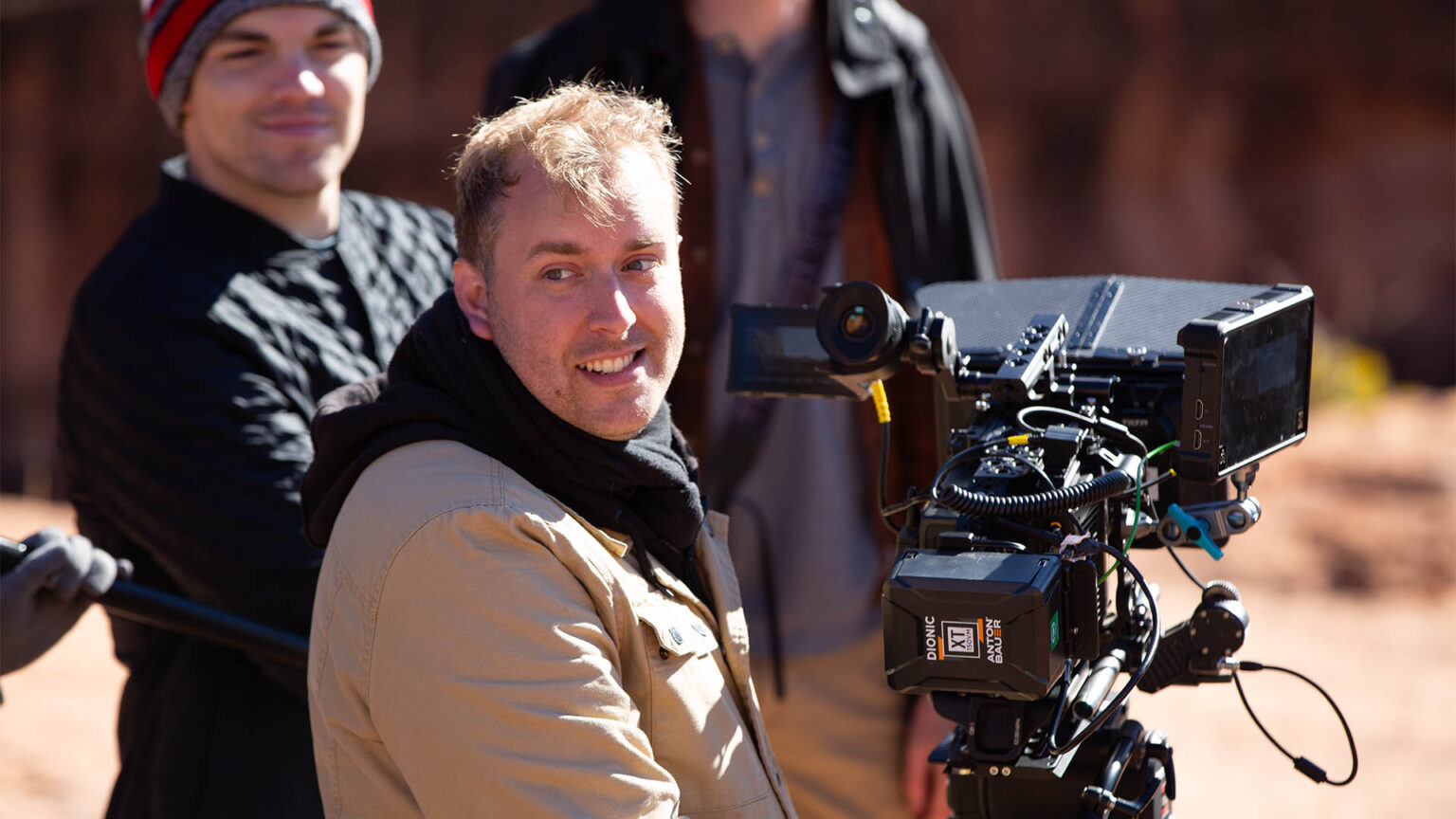
You never know when inspiration will hit. For Steven Bartholomew, he came up with his latest movie idea for “Still” through a casual conversation with a friend while hanging out at the swimming pool.
“He asked me how I came up with film ideas, and then an image of a man’s dried, cracked lips in the desert came to me” said Bartholomew. “I told him about the quick brainstorm. When I went home I couldn’t get this idea out of my head. Why was he in the desert? Why was he stuck there? What was he searching for? That resulted in the story of him going and photographing the night sky for his girlfriend out in the desert.”
The film’s connection to reality became eerily tangible when Bartholomew’s father faced a health crisis. “My dad had afib… and had to go in for a minor surgery,” he recounted. The filmmaker found himself unwittingly mirroring the events of his creation, taking pictures of the moon during a pivotal moment only to receive a text about his father’s temporarily stopped heart.
Tragedy struck again as Addie Morgan Provost, a friend and the film’s intended lead actress, passed away in a car accident. This devastation prompted Bartholomew to reevaluate and refine the script to honor her memory and due to of the feedback he received from her before her passing.
The third challenge faced by Bartholomew was one of a spiritual nature. The insight he learned from the experience helped refine “Still” further. “This experience helped me better understand the pain and confusion that John was going through with God. Why didn’t he save Mattie? Because He had a different plan. One that would help everyone grow even if it hurt.”
“The film was inspired from a random thought of a man lost in a desert, but became real after my father’s heart surgery, a friend’s passing, and my own deserts.”
As production began the challenges felt as vast as the desert landscapes they navigated.
“It was difficult to haul equipment to our remote locations, manage camera batteries and media, as well as experience the cold. But the locations were breathtaking and I believe that we captured God’s presence in the frame, so that made the diverse weather, sleeping in tents, and the three mile hike more than worth it. But that was still really hard.”
Making a movie is challenging but yet incredibly rewarding. When looking back on the experience Bartholomew remarked, “I think I would have planned more as a director. There was never enough time to write and rewrite the script, draw storyboards (our shotlist helped), and jot down all the actors’ tactics. I think I planned as much as I could while doing school full time. There’s probably small things here and there that I would go back and change, but honestly for what we had I think we killed it.”
The best way to learn is to seek the advice of those that came before. Bartholomew offered “Make as much stuff as you can! The 10,000 hour rule really does seem to exist! If you’re constantly working on passion projects, school projects, friend’s projects, paid projects, you will thrive.
In addition “Find yourself a mentor!! That isn’t someone looking for your money, but rather a trusted friend and advisor who wants to give back to the community. Someone who makes stuff you want to make.”
And Bartholomew parting advice is “Network like crazy! Connect with everyone in the room, ask them what help they need on their projects and then go help! Other people know that networking is part of the process in film so don’t be afraid of talking with anyone. I’ve had breakfast with an executive producer of a hit TV show simply by asking, “Can we get lunch and chat?” and you can too.”
Bartholomew invites audiences to connect with him on Instagram @steviewonderfilm and explore his work on stevenbartholomew.com.

Drama
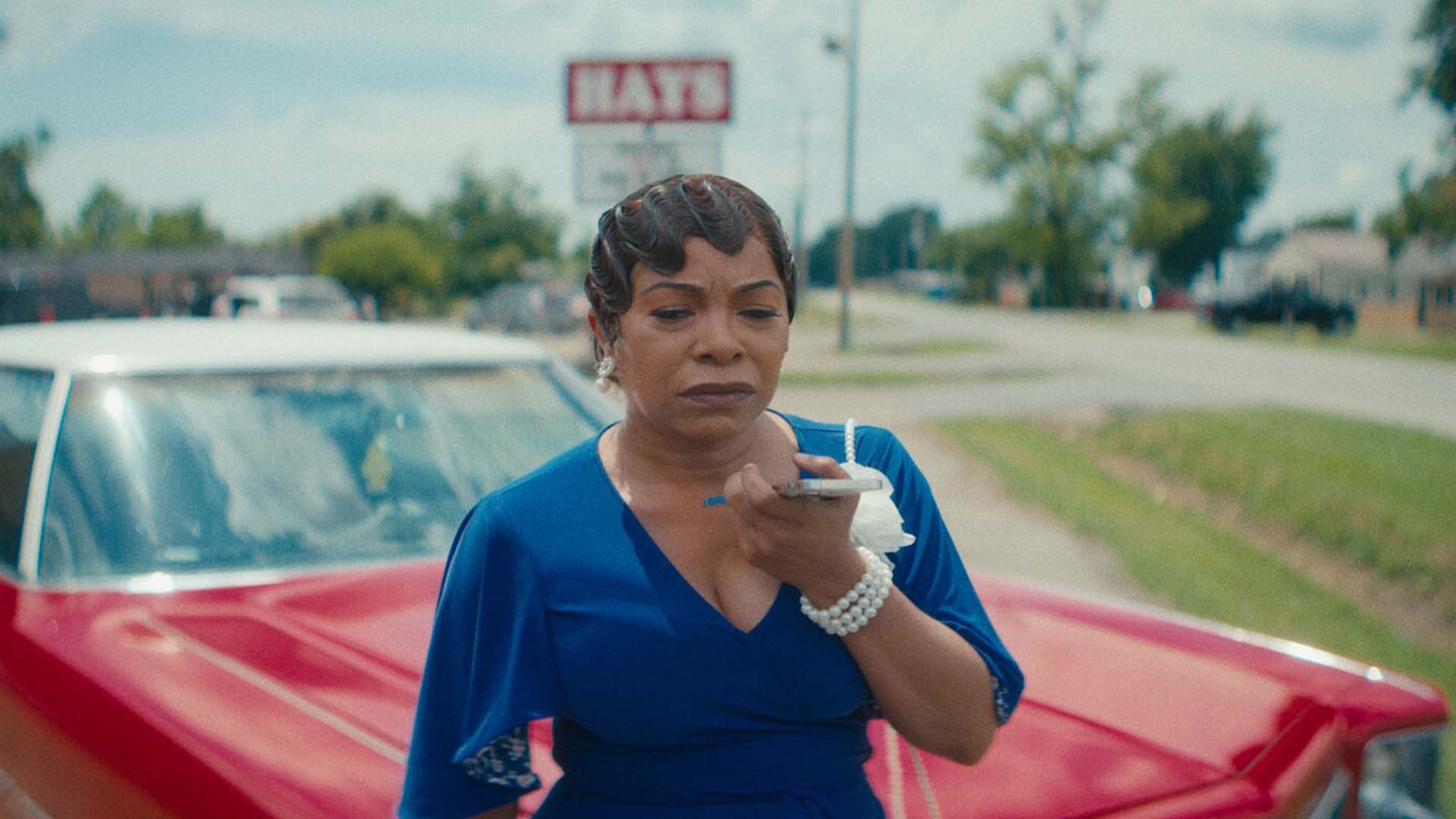
A Call That Changes Everything in Don’t Hang Up


Drama
The Quiet Rebellion of Sister Wives
WARNING! This review contains SPOILERS!
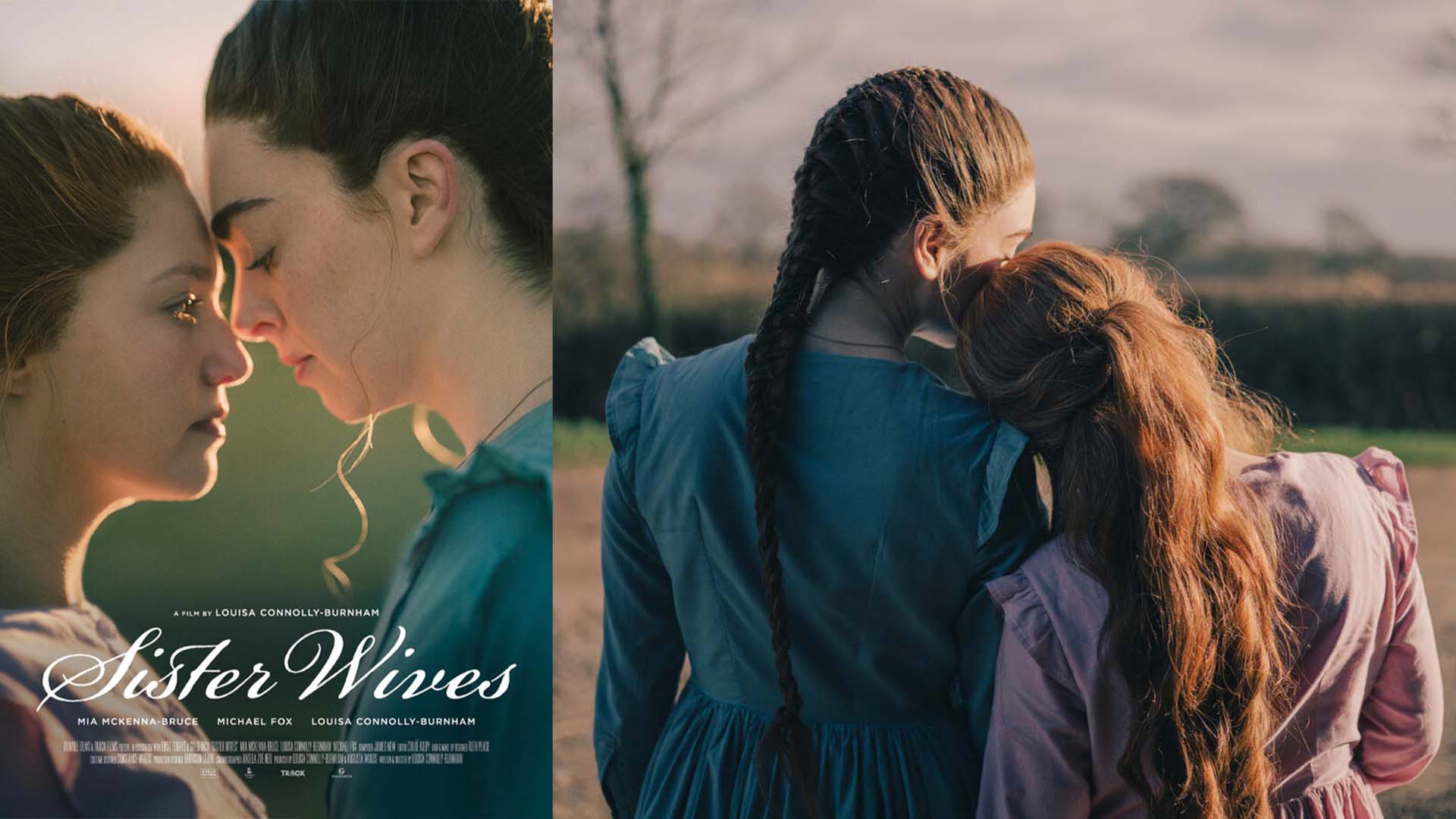
Louisa Connolly-Burnham’s Sister Wives is a haunting & heartfelt exploration of love, repression, and quiet rebellion in unexpected places. Set in a strict, polygamous community in 2003 Utah, the film follows Kaidence and Galilee—two young women as they discover something forbidden but deeply human: love for one another. Beneath its rural stillness, this film hums with tension and tenderness.
Sister Wives feels deliberate and immersive right from the start. The muted color palette mirrors the rigid life of the community—dull, restrained, and heavy with strict rules—while the women’s prairie dresses introduce just enough color to suggest individuality trying to break through. The cinematography captures both the beauty and isolation doing an outstanding job at enhancing the emotional connection. When the camera holds on moments between Kaidence and Galilee, these moments are where you can feel the emotion connection the strongest.
Connolly-Burnham, who also stars in the film alongside BAFTA-winner Mia McKenna-Bruce, directs with remarkable empathy. Her approach is not exploitative or sensational. She creates a world that feels lived-in, fragile, and real. The editing and sound design work in harmony, never too much to draw attention to it unless you are looking for it. Even the lighting feels symbolic—soft in moments of connection, harsh and cold whenever the outside world closes in.
Sister Wives is about two women reclaiming the right to have feelings. The performances are powerful while still being subtle as they are charged with emotion.
Connolly-Burnham’s direction shows a deep understanding of contrast—between faith, freedom, duty, desire, silence and voice. Her use of music, inspired by films like Drive and Lost in Translation, adds a pulse that modernizes the story. This kind of repression still exists, and her storytelling makes sure we feel that.
The production design captures the rustic isolation of its world and is spot on to transport audiences into this world. It’s easy to see why Sister Wives has been gaining recognition at Oscar, BAFTA, and BIFA qualifying festivals. Every aspect of its production, costuming, lighting, (well the whole thing just works) in service of the story’s truth.
What stays with me isn’t the setting or even the tragedy of the women—it’s the courage. The courage to question, to feel, and to dream of freedom in a world designed to suppress it. Sister Wives is quiet, brave, and unforgettable.
Drama
Can You Trust What You See Anymore?
WARNING! This review contains SPOILERS!
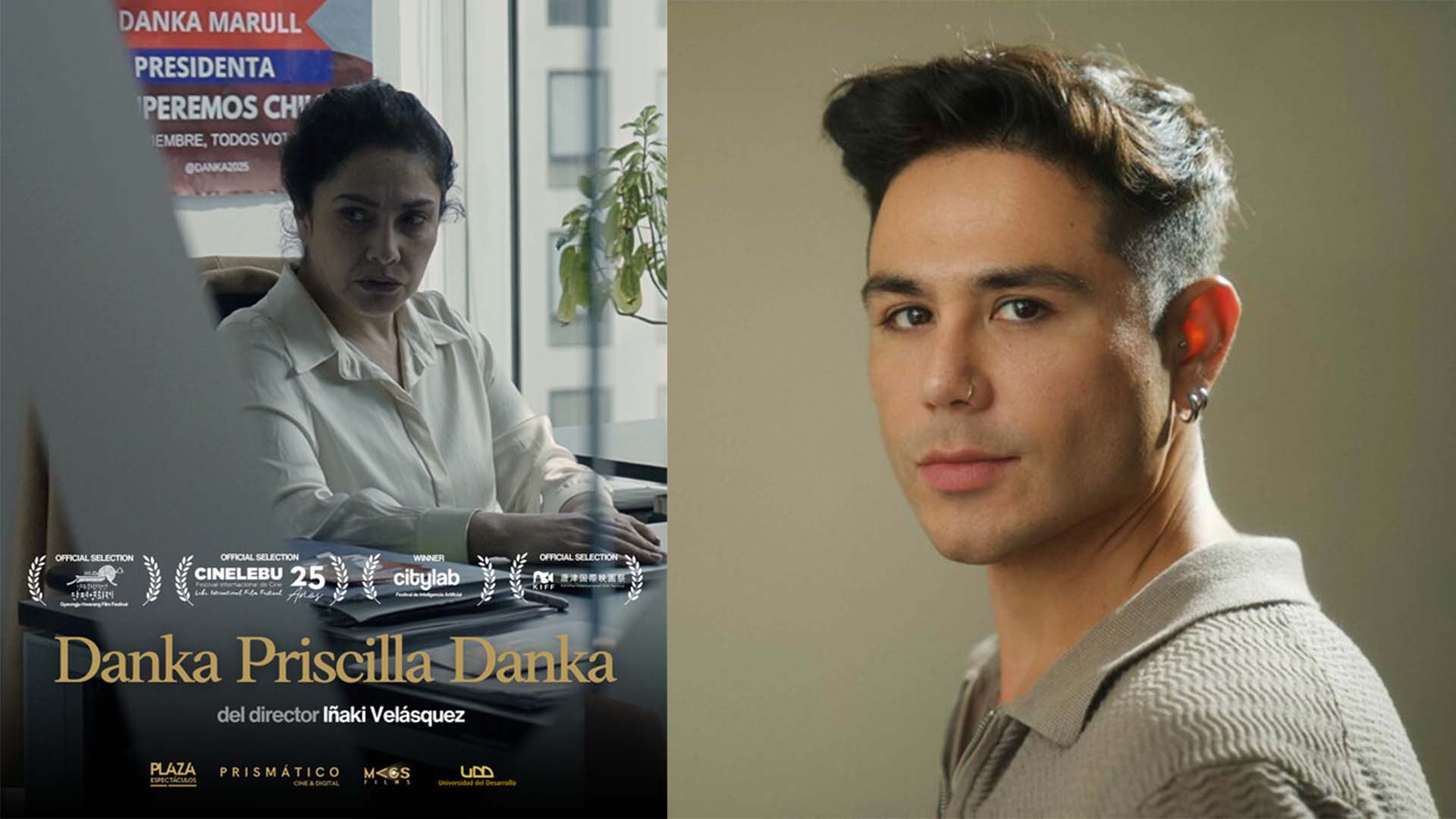
Iñaki Velásquez’s Danka Priscilla Danka is a sleek and unsettling political drama that digs into the growing unease surrounding artificial intelligence and power. Set against the high-stakes backdrop of a Chilean presidential race, the film centers on Priscilla, a campaign manager whose loyalty is tested when she discovers that the very technology fueling her candidate’s success may be built on deception. What begins as a story about deepfakes and politics slowly turns into something more intimate—a study of control, manipulation, and trust between two women whose relationship blurs the line between personal and professional loyalty.
From the opening frame, Velásquez makes his control of tone clear. The lighting is sharp and purposeful—each scene feels designed for the emotional temperature of the moment. Hotel rooms glow with uneasy warmth, police offices buzz under cold fluorescent light, and Danka’s balcony conversations carry the quiet weight of a woman performing both for the public and for herself. The cinematography captures Chile’s landscape in striking contrasts: the natural mountains towering over the geometric sprawl of the city. It’s an image that mirrors the story’s central question—what happens when something human becomes overshadowed by something manufactured?
The performances are gripping. Tamara Acosta brings depth and precision to Priscilla, grounding the film’s moral tension in every look and pause. Katty Kowaleczko, as Danka, balances charisma and menace with a politician’s grace—her smile hiding a thousand motives. Their chemistry makes each exchange electric, turning even the smallest gesture into a battle for power.
Technically, the film is top-tier. The camera work is confident, the framing consistently intentional, and the editing tight enough to maintain suspense without ever feeling rushed. The sound design amplifies every shift in mood—especially the use of ambient noise during confrontations, which keeps the audience alert to what might happen next. While the background score occasionally enters a moment too early, it hardly detracts from the film’s overall polish.
Velásquez, already an Academy-qualified filmmaker for his short Victoria Rosana Maite, proves again that he knows how to build worlds that feel both cinematic and urgent. His direction balances spectacle with substance, never letting the technological themes overpower the human story at its core. In his director’s statement, he calls the film “about the nature of power and abuse in a relationship between two women,” and that focus is exactly what gives Danka Priscilla Danka its bite. It’s not just about AI—it’s about how control manifests, both digitally and emotionally.
By the end, I found myself thinking less about algorithms and more about people—the ones who hide behind them, and the ones who suffer because of them. Velásquez’s film feels timely yet timeless, a warning and a mirror all at once. Danka Priscilla Danka doesn’t just explore deception in politics—it exposes how easy it is to believe the lies we want to be true.

A Call That Changes Everything in Don’t Hang Up

The Quiet Rebellion of Sister Wives

Can You Trust What You See Anymore?

Finding Acceptance

Utah Screenwriters Spotlight

Waiting for You

