
Fantasy
Artifex

Directed by Alan Lucchetti
WARNING! This review contains spoilers.
“Artifex” tells the story of a modern-day Renaissance man who embarks on a quest to uncover the truth about his mysterious condition, all while keeping it hidden from those closest to him. As the protagonist dives into this quest, he finds himself at the crossroads of history, myth, and the supernatural. The film sets an intriguing tone, combining elements of drama and thriller with a sense of ever-present darkness.
If I were to program Artifex at a festival, I’d likely place it in a screening block called “Shadowed Realms” or “Dark Echoes,” highlighting its themes of lurking danger and hidden truths. The sound design plays a crucial role in maintaining suspense, keeping viewers engaged with a sense of impending doom. Lucchetti’s eye for detail is evident, with strong visuals that enhance the story’s dark tone. Close-ups effectively draw attention to key dialogue moments, like the intense scene with the old man in the editing room. The lighting, especially in the opening car wash scene and the sound studio, plays with shadows in a captivating way, adding depth to the atmosphere. However, the use of artistic visuals during dialogue feels more distracting than enhancing, breaking the immersion.
In terms of story, Artifex follows two friends whose bond is tested when one steals a mystical necklace that amplifies the wearer’s voice and grants an almost invincible feeling. The two eventually reconcile, but the film’s narrative lacks clarity. Key elements, such as the significance of the necklace or the protagonist’s motivations, remain unclear. I found myself puzzled by what the main character hoped to achieve by breaking into the house, as well as the purpose of the burning man’s presence. The reconciliation between the friends feels oddly casual given the stakes, leaving me unsure of the protagonist’s emotional journey.
On a personal level, Artifex didn’t resonate deeply with me, mainly due to its confusing plot and lack of narrative momentum. While the film offers some stunning visuals and a haunting atmosphere, the story’s repetitions and minimal conflict kept it from fully engaging me. Despite these issues, the film might appeal to viewers who enjoy visually driven, mood-centric stories. Overall, Artifex presents an ambitious blend of thriller and supernatural drama, but it struggles to deliver a coherent story that matches its atmospheric style.

Fantasy
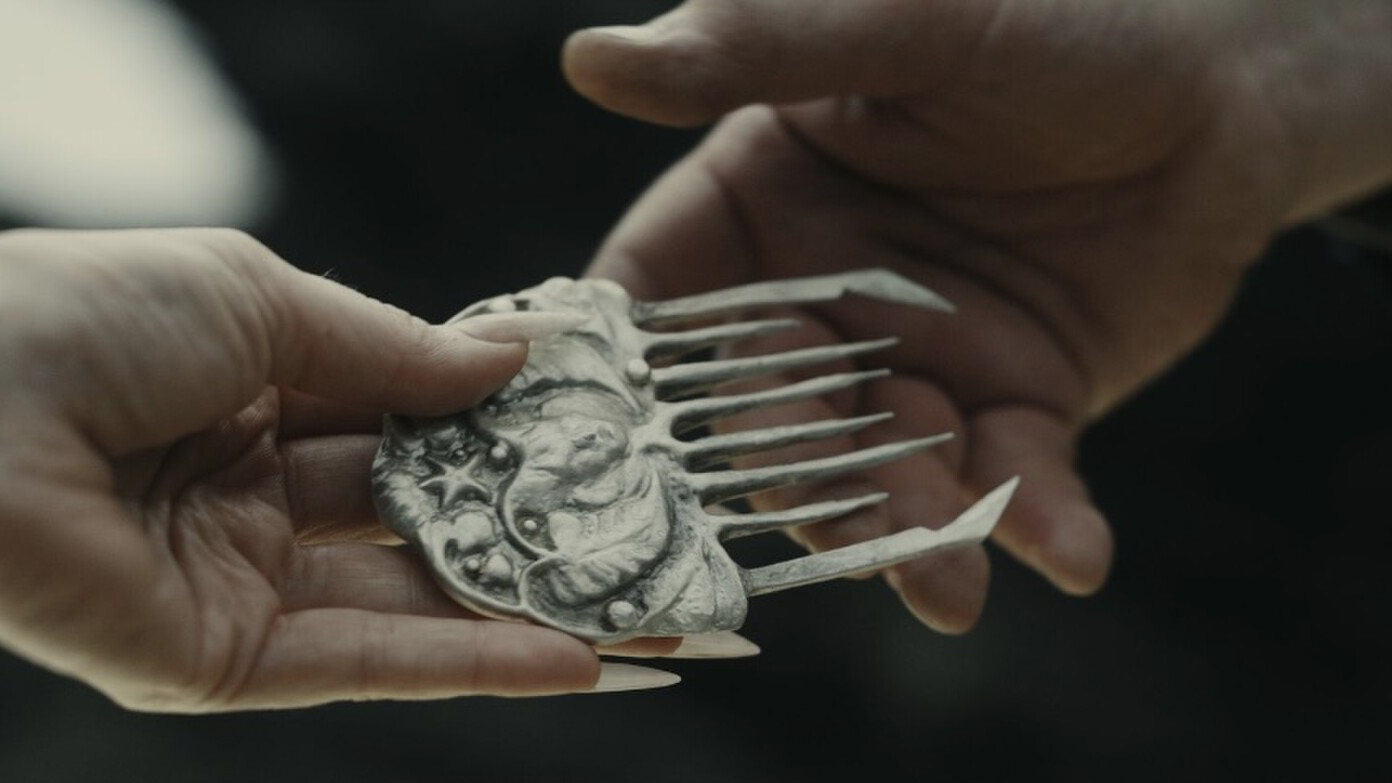
The Pearl Comb – The Watchlist

Drama
Eugenie
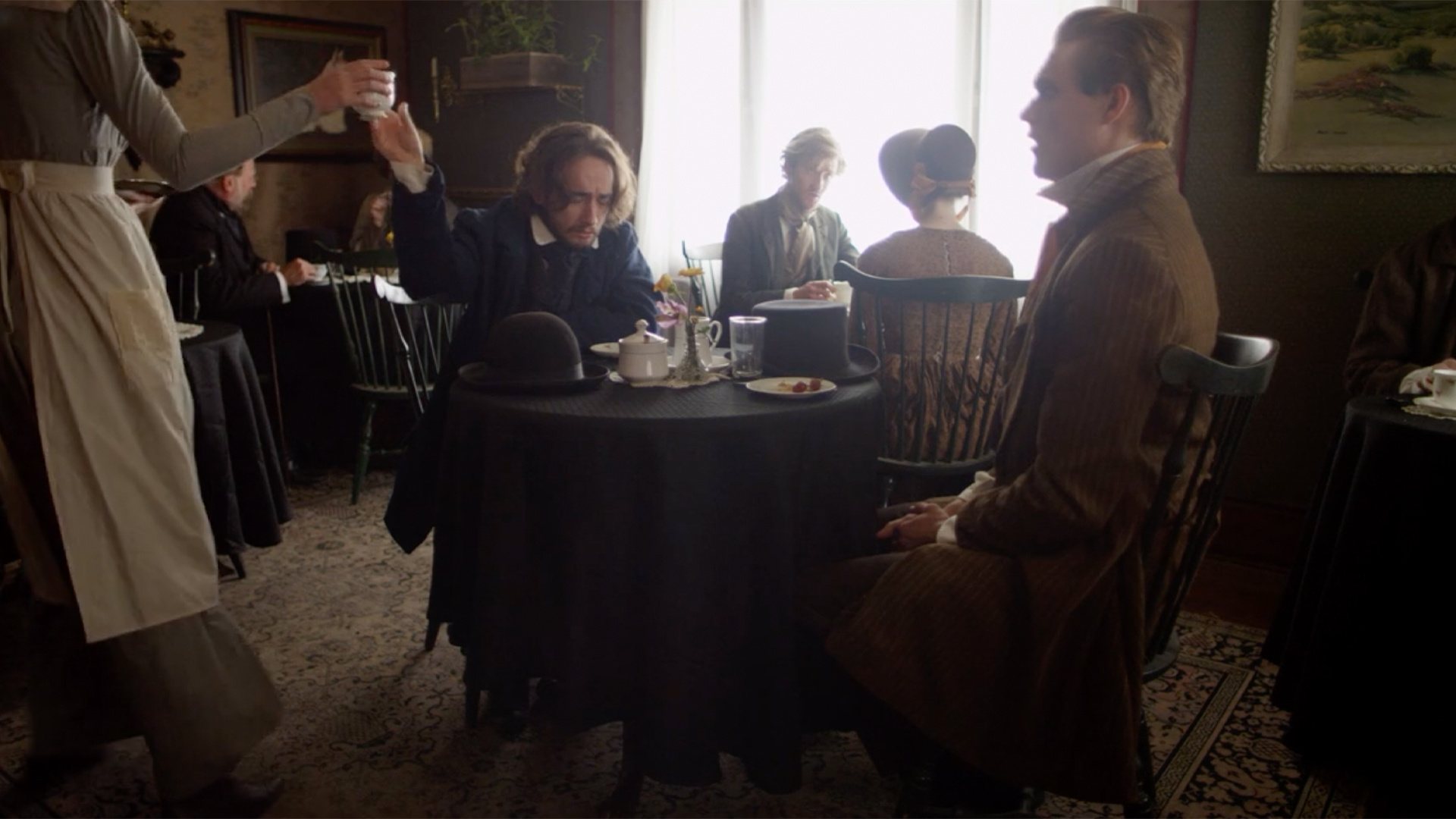
“Eugenie”, released in 2013, invites viewers into a beautifully crafted 19th-century French world where the boundaries between creation and reality blur in captivating ways. This film is a delightful treat for anyone who enjoys intricate storytelling and lush period pieces.
At its heart, “Eugenie” revolves around a French novelist who finds himself entangled in a profound dilemma: should he hold on to his enchanting creation, Eugenie, or allow her to carve out her own path? It’s a fascinating premise that delves deep into the nature of creation and control, making us ponder how much we really own our imaginative offspring.
The immersive experience of “Eugenie” is largely thanks to its period set design, costumes, and props. The creative team has done a stellar job in bringing the 19th century to life, ensuring that every detail enhances the film’s authenticity. The wardrobe and props are not just visually appealing but also serve to anchor the audience firmly in this bygone era.
Agnus McKay’s music is another highlight, beautifully underscoring the emotional landscape of our main character – the Writer. The score amplifies the highs and lows of his journey, from moments of mania to deep bouts of depression, adding a rich layer to the film’s emotional impact.
Derek Pueblo’s cinematography is equally impressive, capturing the nuances of the Writer’s tumultuous inner world with an eye for detail that makes each scene feel both intimate and expansive. His camera work deftly highlights the Writer’s moments of catharsis and turmoil, enhancing the audience’s connection to the story.
The performances in “Eugenie” are nothing short of exceptional. Davey Morrison, who not only stars as the Writer but also penned the screenplay, brings an incredible depth to his role. His portrayal of the Writer is so layered that it invites contemplation on the meta-nature of the film itself. It’s fascinating to think about Morrison as both the writer and the character grappling with his own creation. Becca Ingram, as Eugenie, delivers a performance that is both captivating and poignant, perfectly complementing Morrison’s portrayal.
The film also benefits from strong support from David Smith and Babetta Kelly, whose roles as Louise and Maria respectively add further dimension to the story.
“Eugenie” serves as a thoughtful exploration of how we engage with our creations and the importance of distinguishing between fantasy and reality. It’s a poignant reminder that while it’s easy to fall in love with the allure of ideas, real adventure lies in the relationships and experiences we share with actual people.
“Eugenie” is a beautifully executed film that weaves together compelling performances, meticulous craftsmanship, and profound themes into a memorable cinematic experience. It’s a must-watch for anyone who appreciates a well-told story set against a meticulously recreated historical backdrop.
Drama
The Astronaut

A Call That Changes Everything in Don’t Hang Up

The Quiet Rebellion of Sister Wives

Can You Trust What You See Anymore?

Finding Acceptance

Utah Screenwriters Spotlight

Waiting for You

