
Documentary
From the Dust
Directed by Tonya Papanikolas
Warning – This review contains spoilers.
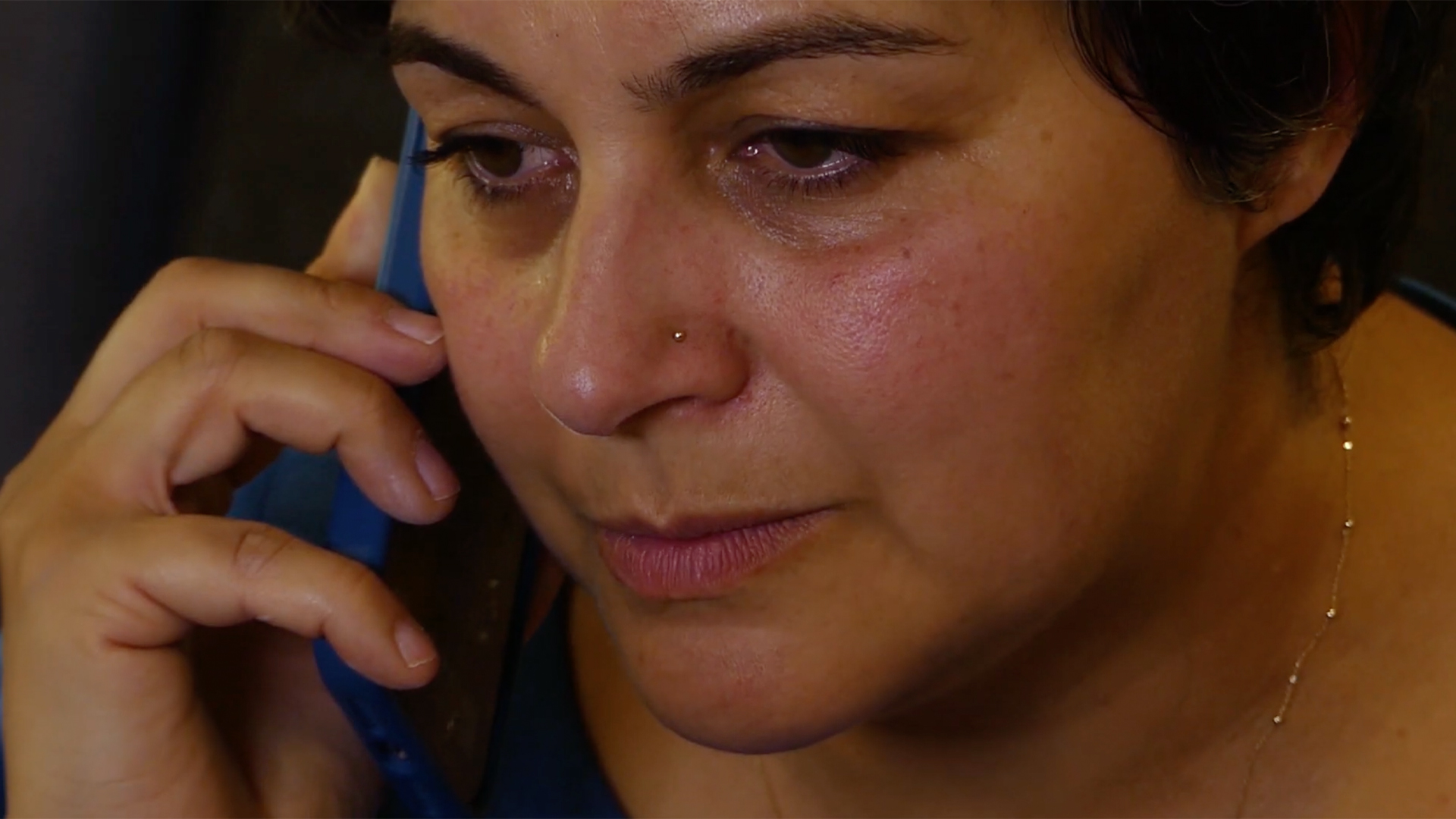
From the Dust tells the poignant story of Anastasia, a woman who embarks on a journey of healing after a traumatic discovery in her marriage. Through the art of pottery, Anastasia finds a way to rebuild her confidence and self-worth after the emotional scars left by her husband’s betrayal. Watching this documentary, I was struck by how effectively it captures the process of personal recovery, showing how something as simple as creating art can become a lifeline in the aftermath of such intense pain.
The narrative is deeply personal, and the documentary does a beautiful job of drawing the audience into Anastasia’s emotional world. I was particularly moved by the way she shared her story with such honesty, describing not only her trauma but also her gradual rediscovery of herself through pottery. It’s not just about the act of creating something—it’s about the empowerment that comes from doing something for oneself, especially when life feels like it’s falling apart. I found Anastasia’s journey compelling, and I believe many audiences will connect with her story of resilience and self-reclamation.
Technically, the documentary is solid. The lighting, sound, and editing were all handled well, ensuring that Anastasia’s story was front and center without distractions. The cinematography particularly stood out to me in the way it captured the pottery process, highlighting the tactile nature of the art form. The shots of Anastasia’s hands shaping the clay mirrored her emotional recovery, a subtle but effective visual metaphor that really added depth to the film. While there was nothing groundbreaking in the technical aspects, everything came together smoothly, allowing the emotional heart of the film to shine through.
For me, From the Dust felt both intimate and relatable. Although I haven’t personally experienced the kind of betrayal Anastasia did, the universal themes of healing and rediscovery resonated. The documentary is an emotional watch, and I believe many viewers, particularly those who have faced similar challenges in their own relationships, will find it moving. The documentary avoids falling into melodrama, instead offering an authentic portrayal of a woman who is simply trying to find her way back to herself after being shattered by betrayal.
In summary, From the Dust is a thoughtful and moving documentary that explores how art can become a powerful tool for healing. Tonya Papanikolas crafts a sensitive and relatable portrait of a woman finding her strength in the wake of deep emotional wounds. With its strong visuals and heartfelt narrative, the film is likely to resonate with audiences who appreciate stories of resilience and self-discovery.

Documentary
6 New Notable Documentaries Made in Utah


Documentary
10 Don’t-Miss Biographical Docs


Documentary
Chekhov.Offstage – Film Review
Warning Spoilers
I’ll be honest, when I saw we had a 40-minute Russian documentary about a theater submitted to the festival, I was ready to make an excuse to pass on the review. Then learned that this was a film in sign language. A foreign art film about theater, with subtitles? Sounded like a tough sell, and something I’d normally skip for a good nap. But it was only 40 minutes, so I figured, what have I got to lose?
I’m glad I took the chance, because “Chekhov.Offstage” completely blindsided me. This is not the stuffy, academic history lesson I was bracing for.
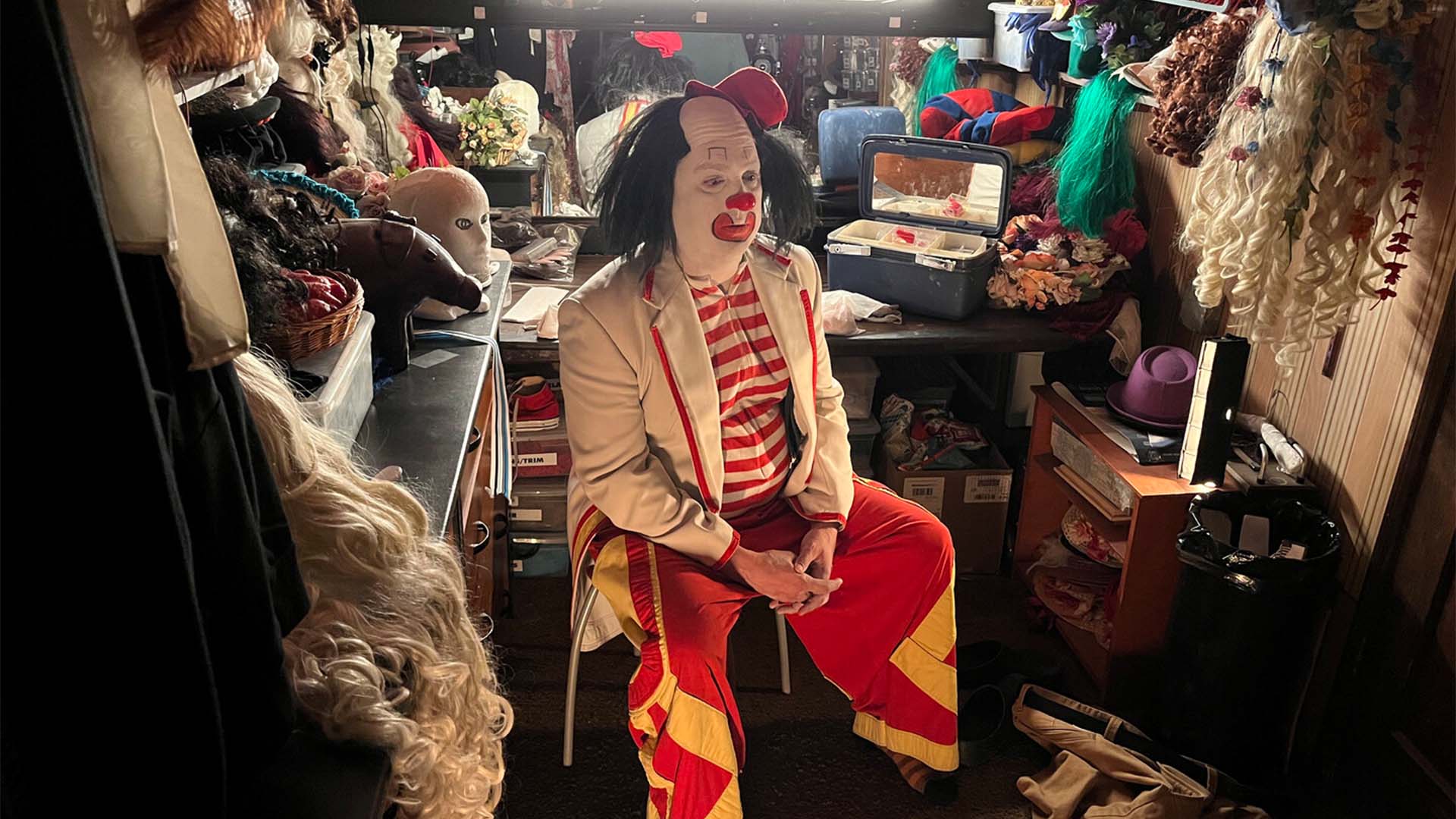
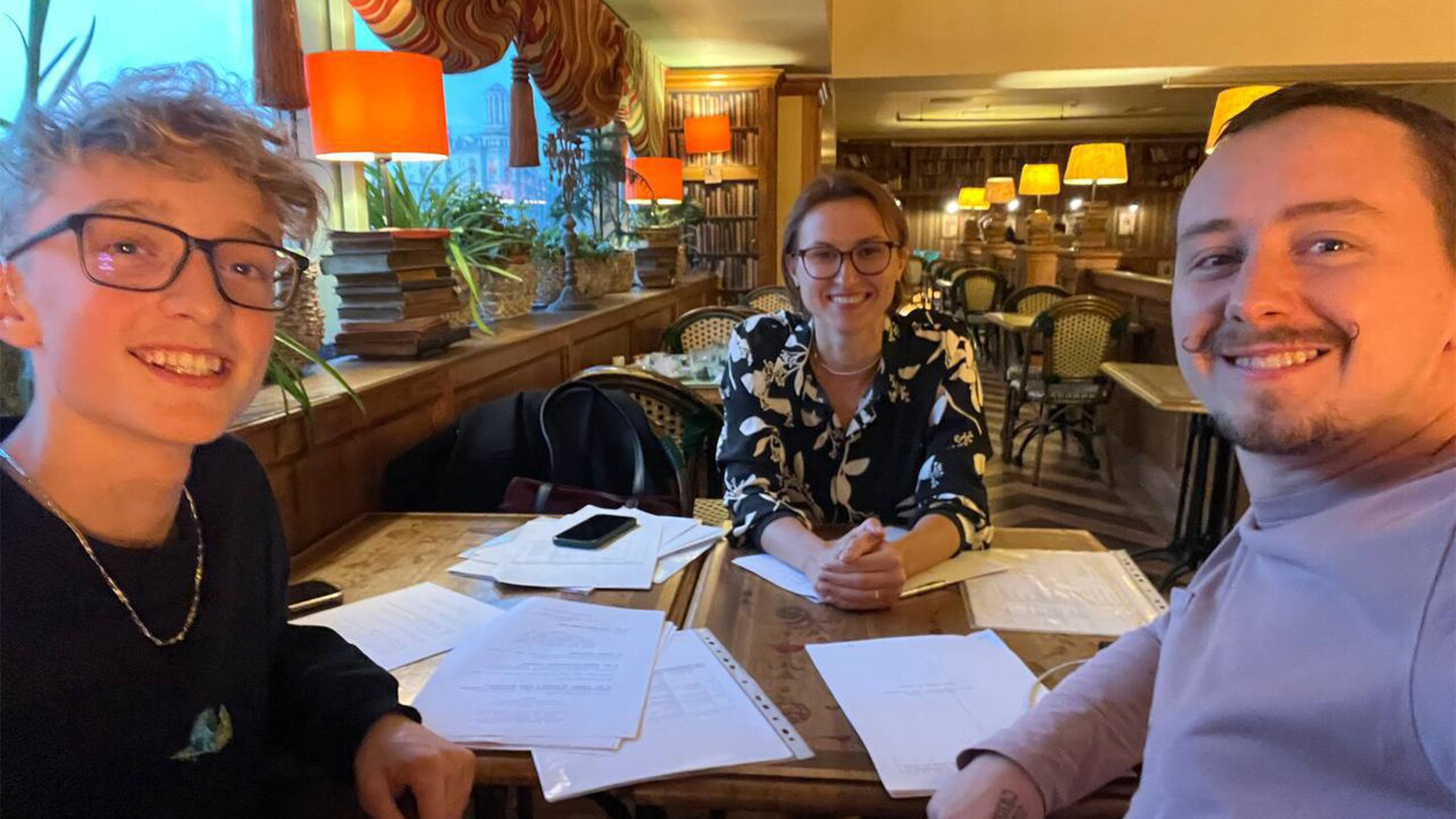
The film’s secret sauce is in its setup, which is something I never would have expected. It’s not a narrator droning on about dates and famous names. Instead, I found myself following a hard-of-hearing guide giving a personal, backstage tour of the legendary Chekhov Moscow Art Theatre to a deaf teenage boy. Right away, I realized the film wasn’t just telling me about history; it was showing me history being passed down in a deeply personal way. The guide’s mission is to light a fire in this kid, to show him that even in this hallowed, old-world place, there’s a spot for someone like him.
And what a tour it was. I wasn’t just looking at old props. The guide turns it into a real adventure. We go places most people never see—I felt like I was right there with them, creeping around the mysterious vaults under the main stage and climbing up to the “cosmic” upper galleries. The boy gets to see the makeup artists, the set builders, the machinery operators—the real engine room of the theater. I watched him taking it all in, imagining himself in each role, and I could feel his fascination with the innovative spirit of the theater’s founders, Stanislavsky and Nemirovich-Danchenko.
At first, I thought the sign language might be a barrier, but it quickly became the film’s biggest strength. It forced me to pay attention differently—to watch the expressions, the hands, the raw communication happening on screen. It was more immersive that way. There’s a note at the end that says, “Our film is not about deaf people. Our film is for everybody,” and they absolutely nail it. This isn’t a story about limitations; it’s a story about human connection and passion, told through a different, and frankly beautiful, lens.
After I finished the film, I had to look up the director, Anna Turchaninova, and it all clicked into place. Her biography shows this isn’t a one-off project for her; she’s made other films in Russian Sign Language and has a history of working on creative projects for the deaf community. That authenticity is something you can’t fake, and I could feel her experience woven through every scene.
“Chekhov.Offstage” manages to do a lot in a short amount of time. It’s a fascinating look at a world-famous institution, a powerful story about mentorship, and a witness to the idea that the drive to create can overcome any barrier. It’s got grit, heart, and a perspective I won’t soon forget.
Don’t let the description fool you. Give it 40 minutes of your time. You won’t regret it.

A Call That Changes Everything in Don’t Hang Up

The Quiet Rebellion of Sister Wives

Can You Trust What You See Anymore?

Finding Acceptance

Utah Screenwriters Spotlight

Waiting for You

