
Connect with us

Documentary

Join the Club
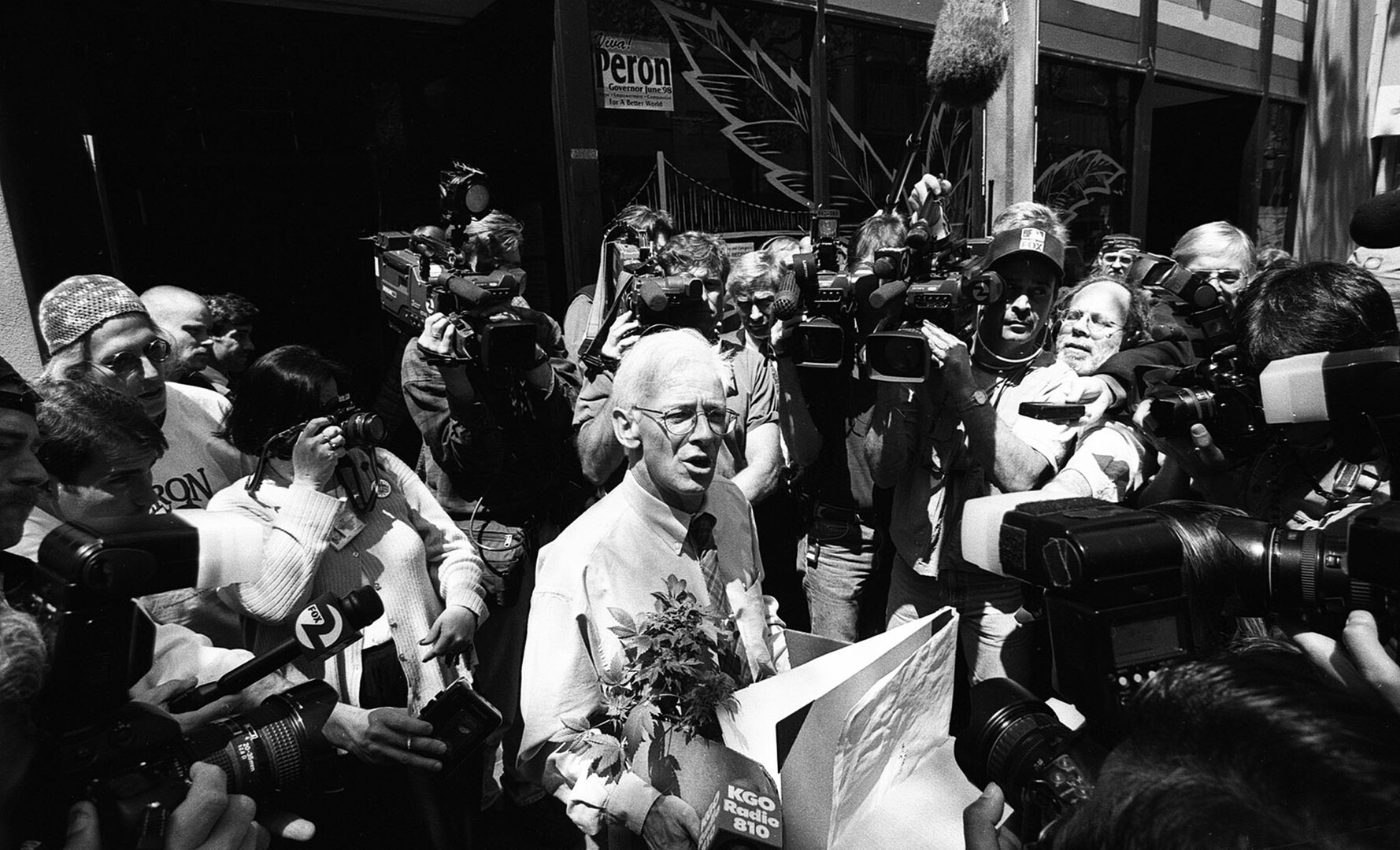
Directed by Kip Andersen and Chris O’Connell

Warning – This review may contain spoilers.

Join the Club follows the life of Dennis Peron, a prominent figure in both the LGBTQ+ community and the fight for marijuana legalization in America. Set against the backdrop of the AIDS epidemic in San Francisco, Peron transitions from being the city’s biggest pot dealer to a key advocate for medical marijuana. After the death of his lover, Peron realizes that cannabis is not only a recreational drug but a form of medicine that could provide relief to those suffering from HIV and AIDS. In response, he opens the Cannabis Buyers’ Club, a vibrant five-story dispensary that becomes a symbol of hope, activism, and community. Despite law enforcement’s multimillion-dollar investigation into the club, Peron sets his sights on a larger goal: writing a groundbreaking political initiative to legalize medical marijuana in California.

The documentary excels in its ability to humanize Dennis Peron’s activism and passion, uncovering a lesser-known but critical chapter in the history of marijuana legalization. It blends personal narrative with historical context, allowing viewers to fully understand how the AIDS epidemic served as a turning point for cannabis advocacy in America. The inclusion of archival footage, interviews, and vibrant visuals of the Cannabis Buyers’ Club creates a dynamic and immersive storytelling experience. Peron’s journey from pot dealer to political activist is presented with clarity, showcasing his transformation as both personal and political. The film also highlights the intersection between the LGBTQ+ community and the fight for cannabis legalization, giving audiences a glimpse into the queer history that fueled these societal changes.

Join the Club is technically superb as well. The cinematography captures both the emotional intensity of Peron’s story and the broader socio-political atmosphere of the time. The use of lighting, especially in interviews, adds a sense of intimacy to the personal stories being shared. Archival footage of protests, legal battles, and the daily life inside the Cannabis Buyers’ Club provides historical depth, while the pacing of the film keeps the viewer engaged throughout. The sound design, including music and background audio, complements the documentary’s tone, making key moments more impactful. Editing choices, particularly the blending of past footage with present-day interviews, help maintain a seamless narrative structure, while showcasing the emotional and historical weight of the story.

The documentary also benefits from the strength of its subjects. The interviews, particularly with those who knew Peron personally, as well as medical marijuana advocates, add layers of authenticity and emotion. The audience is able to witness firsthand the impact Peron had not only on marijuana legislation but also on the lives of countless individuals suffering during the AIDS crisis. This sense of personal connection is a significant part of the film’s success, allowing viewers to feel emotionally invested in Peron’s mission.

Join the Club is a well-crafted and engaging documentary that uncovers a vital piece of American history. The film’s message of resilience, hope, and activism resonates deeply, especially in its portrayal of Peron’s determination to create a better world for those affected by HIV and AIDS. With its strong technical execution, compelling narrative, and historical significance, audiences will likely find Join the Club both educational and emotionally moving. It is a tribute to Dennis Peron’s legacy and a reminder of the power of grassroots activism.

Continue Reading

Documentary

6 New Notable Documentaries Made in Utah

If there’s one thing I’ve learned at the Utah International Film Festival, it’s that Utah’s storytellers know how to turn familiar landscapes into something transcendent. Sometimes it’s the shimmering expanse of Great Salt Lake or the volcanic shadows of Snow Canyon, and these filmmakers reveal new layers of meaning in the places we think we already know.

The following documentaries are highlights from recent submissions I’ve had the chance to screen. Our official selections won’t be announced until December 7th, so don’t take this as any sort of confirmation—just a personal look at six projects that stayed with me.

Secrets of Great Salt Lake

Directed by Tyler Mifflin

This film sweeps you through eons of history, from mammoths and saber-toothed cats to the modern-day ecosystem that depends on this shrinking inland sea. The cinematography is breathtaking—every frame feels polished and intentional. What struck me most was how the story ties Utah’s snow-capped mountains to the wetlands below, reminding me that water connects everything. It’s educational without ever feeling dry (pun intended), and the pacing is just right.

SLC Comb

Directed by Emery Willis

“Save the bees” has been a slogan for years, but this documentary digs deeper, exploring biodiversity and the shared struggle between humans and bees in the middle of an industrial neighborhood. Backyard beekeeper Alex Wonder and scientist Laura-Arneson Horn give the story both intimacy and context. The visuals and pacing feel smooth, and I loved how the film draws parallels between hive life and human community. It’s heartfelt, relatable, and urgent.

The Grim & The Dark

Directed by Daniel Lowman

Jon Heder (Napoleon Dynamite) dives into the moody world of Grimdark—where fantasy and realism collide in shadow and coolness. The interviews with authors, game developers, and fans give the film a lively rhythm, and the editing keeps the beat steady. While the subject matter is niche, it’s a fascinating peek behind a genre that thrives on moral ambiguity and creative awesomeness. It’s a fun and geeky ride that genre lovers will appreciate.

Reading Between the Lines

Directed by Katie Rose Phillips

This short centers on a woman creating a safe, affirming space for LGBTQIA+ youth to find community through literature. The concept is uplifting, and the heart of the story shines through. I kept wishing to hear more voices from the group, but what’s there feels genuine and filled with purpose.

Refraction(s of Great Salt Lake

Directed by Kelly Hannah

This one plays more like an art installation than a traditional documentary. The shots linger like a painting, pulling you into the reflective mood of Utah’s most debated natural wonder. The experimental structure might confuse viewers unfamiliar with the subject, but the visuals are beautiful. It’s less about facts and more about feeling—the kind of short that sits with you.

Fire and Stone

Directed by Allan Crawford

A quiet powerful meditation on Snow Canyon’s volcanic origins. The visuals are top-notch—clear, crisp, and carefully composed. The film manages to translate geology into poetry. Watching lava flows and sandstone walls tell their own story reminded me that Utah’s stillness is anything but still.

Utah’s documentary filmmakers continue to surprise me with how personal their work can be. Even the most technical subjects—volcanoes, bees, saltwater—have soul through their lenses. Whether or not these particular projects make the final lineup, they’re great stories.

If you’re a filmmaker, the submission window for the Utah International Film Festival has now closed, but I can’t wait to share the full list of selected titles on December 7th. Until then, consider this a small woot woot of the incredible talent growing right here in Utah.

Continue Reading

Documentary

10 Don’t-Miss Biographical Docs
We’re coming up on the Nov 2 submission deadline for the Utah International Film Festival, which means my inbox looks really full right now. And because I can’t help myself, I’ve been watching a bunch of the docs early.

FYI none of these have been selected for the festival and no one will know what’s officially in until Dec 7. These are my impressions from what I’ve seen so far — not the festival’s, not the jury’s, not Dora’s. If your film isn’t on this list, it doesn’t mean anything. If your film is on this list, it also doesn’t mean anything. This is just me going, “Hey, here are 10 really human, really specific, really watchable nonfiction films that stuck with me.”

What I love about this batch is that they’re all biographical in some way — sometimes about one person, sometimes about a community told through one person, sometimes about a legacy that outlived the person. But they all say, in their own way: this life matters, pay attention to it.

And yes — I saw these because filmmakers submitted to UIFF. So if you’re still on the fence, hit that Nov 2 deadline so I can talk about your doc next time.

Okay. Let’s get at it.

In Transit

Director: Jean Paulo Lasmar

This is one of those “small” stories that’s actually not small at all. It follows Bernie Wagenblast, the voice New Yorkers have literally ridden to work with — and then reveals the person behind that voice on Transgender Day of Visibility. The way the doc sits inside the subway world is really smart — sound and score do a lot of lifting here. The mix lets the emotion land without feeling overproduced, and the score just… fits. You can tell the filmmaker wanted to celebrate, not gawk.

What stood out for me was the simplicity. It’s clear, it’s loving, it’s not trying to make ten arguments at once. If we’d gotten a little more of Bernie’s broader journey, it might’ve hit even harder, but as it stands, it 100% delivers what it promises: this is her voice, this is her day, listen.

80 Faces of Freedom

Director: Jason van Bruggen

I’m a total sucker for docs that say “don’t forget this” without yelling at me, and this one does that. It gathers WWII survivors across the Netherlands — one for each year since liberation — and just lets them talk. The structure of “80 people for 80 years” is clean, and the editing between archival photos and modern interviews keeps it from becoming a slideshow.

The sound mix is gentle, the score doesn’t get in the way, and I really liked the moment where one survivor talks about “betrayal” and then another reframes what that meant in real life — not evil, just terrible circumstances. That kind of nuance is why I watch documentaries. Even the subtitles, which had a couple little grammar slips, don’t derail the overall experience. It’s a doc about context — past, present, and the one we’re walking into now.

Sincerely, Ric

Director: Jesse Carfield

This one was just… fun. And warm. And way more interesting than “lost dog-show footage” sounds on paper.

What works here is the framing device — using Ric Routledge’s own tapes, books, and recordings to let him basically narrate his way back into the room. That’s such a good choice. The editing is super watchable, the camera work is clean, and I didn’t clock any real technical weaknesses. Even the “we’re using a lot of archival here” note doesn’t hurt it — it all feels intentional.

A Little Fellow: The Legacy of A.P. Giannini

Director: Davide Fiore

This one’s for everybody who loves a good “this immigrant changed the game” story.

It’s polished, it’s well-scored, and it gets a ton of mileage out of archival material — not always easy. The music choices give you little emotional handholds all the way through, and the graphics/3D moves on the old photos keep it from feeling like a history lecture. I really liked the production decision to mix score with natural sound (old rooms, hotels, period ambience) so the world felt lived-in.

Story-wise it’s super clear: here’s the son of Italian immigrants who decided banking shouldn’t be a gated garden, so he made it accessible… and accidentally built Bank of America. It also shows how his vision touched Hollywood, the Golden Gate Bridge, and early tech — and that’s a nice reminder that sometimes the “business guys” are just artists in a different costume.

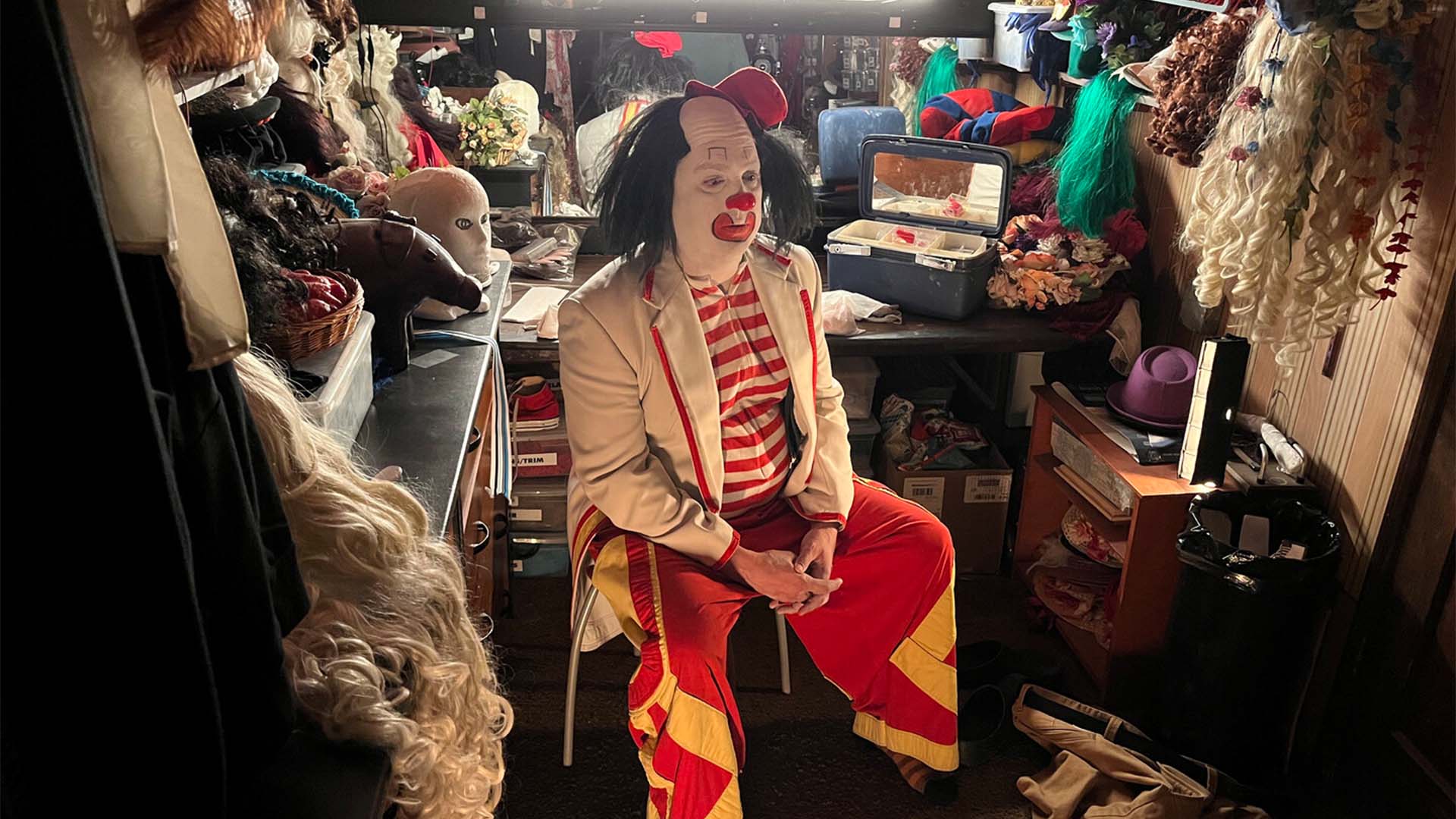
American Clown

Directors: Guilford Adams, Casey Pinkston

This one is pure joy. It’s also low-key an argument against letting horror movies define an entire art form.

Technically it’s rock solid — interviews, intercut performance footage, archive, VO — all the classic doc tools, but done with heart and variety. There was a tiny audio drop at 1:22:07, but nothing that’s going to pull a viewer out. What I liked was the nostalgic tone they built with the cutaways. You can tell the filmmakers love this world and want you to love it, too.

Story-wise it plays like a love letter from working clowns to the rest of us: this is a craft, this is a calling, and it deserves respect. It maybe circles the same emotional point a few times, but honestly, in a doc about clowns, I’m okay with it being a little sentimental.

By My Side

Directors: Vicki Topaz, Wynn Padula

This is the kind of doc that sneaks up on you. You think it’s going to be “service dogs are amazing,” which it is, but it’s also about families repairing time they lost to trauma.

The cinematography on the vets and their dogs is lovely — close-ups, intimacy, nothing exploitative. Interviews are clean, sound is clear, structure is tidy. The score is definitely guiding you, but it’s the right lane for this story.

What I appreciated most was that the dogs aren’t treated like props. They’re shown as partners, which makes the payoff way better. 

After the Bridge

Director: Thomas Slack

This one’s heavy — a kid witnesses the murder of his mom and brother — but the film refuses to stay in the wound. That’s a good instinct.

Technically, I liked the chapter structure a lot. It keeps the story from getting stuck on the worst day and instead moves us through memory → impact → who we became. The use of family photos and news reels gives credibility and context. 

At its core, it’s a doc about choosing transformation when you had every excuse to choose bitterness. That’s an easy one to recommend.

ITSANAXA

Director: Emilios Goutas

This is the outlier in the best possible way.

It’s visually gorgeous — you can feel the filmmaker working to not just “document” the Wixárika world but actually let us inhabit the rhythm of it. Access like this is rare. The camera sits long enough for us to see ritual, land, grandparents, and a legacy being handed to a grandson. It’s observational, patient, and it respects the culture it’s inside of.

Story-wise, even though it’s about a community, it’s anchored by don Antonio and his desire to pass something on, which is why it still fits inside this “biographical” list. It’s a portrait of a culture under pressure, told through one keeper of that culture. Quiet, urgent, and really special.

Experiencer

Director: Nicco Renna

Okay, this one’s going to make some people go, “Really, Warren? UFOs?” and my answer is: yes, really — because it’s not actually about UFOs, it’s about people who had something happen and still have to go to work on Monday.

Technically, it’s impressive — they throw the whole toolkit at it: archival, news, interviews, vérité, animation, even some VFX to help visualize stuff you obviously can’t film. And it all works together. No sloppy seams.

The reason it belongs here is because it takes a “niche” topic and makes it human and accessible. Centering Eric Mitchell gives us an emotional throughline, and the film respects the experiencer community instead of mocking or sensationalizing them. That’s a hard balance to pull off.

Edel Rodriguez: Freedom is a Verb

Directors: Mecky Creus, Adrienne Hall

We’re finishing with an artist story because…well.. most people who are taking the time to read this blog anyway are artist. 

This doc tracks Edel Rodriguez from Cuba to the U.S. and shows how his life under and outside of communism informed the bold, political artwork people know him for now. The pacing is great, the archival is deep, and the use of animation to make art “move” on screen is a smart way to keep a talking-about-art film visually alive. Cinematography is beautiful, full stop.

Story-wise it’s clean: leave, find freedom, make work about freedom. And I really liked that it ties his personal history to the courage it takes to confront power with art. This is the kind of doc filmmakers love because it’s basically saying, “Your story is what makes you unique.”

Continue Reading

Documentary

Chekhov.Offstage – Film Review
Warning Spoilers

I’ll be honest, when I saw we had a 40-minute Russian documentary about a theater submitted to the festival, I was ready to make an excuse to pass on the review. Then learned that this was a film in sign language. A foreign art film about theater, with subtitles? Sounded like a tough sell, and something I’d normally skip for a good nap. But it was only 40 minutes, so I figured, what have I got to lose?

I’m glad I took the chance, because “Chekhov.Offstage” completely blindsided me. This is not the stuffy, academic history lesson I was bracing for.

The film’s secret sauce is in its setup, which is something I never would have expected. It’s not a narrator droning on about dates and famous names. Instead, I found myself following a hard-of-hearing guide giving a personal, backstage tour of the legendary Chekhov Moscow Art Theatre to a deaf teenage boy. Right away, I realized the film wasn’t just telling me about history; it was showing me history being passed down in a deeply personal way. The guide’s mission is to light a fire in this kid, to show him that even in this hallowed, old-world place, there’s a spot for someone like him.

And what a tour it was. I wasn’t just looking at old props. The guide turns it into a real adventure. We go places most people never see—I felt like I was right there with them, creeping around the mysterious vaults under the main stage and climbing up to the “cosmic” upper galleries. The boy gets to see the makeup artists, the set builders, the machinery operators—the real engine room of the theater. I watched him taking it all in, imagining himself in each role, and I could feel his fascination with the innovative spirit of the theater’s founders, Stanislavsky and Nemirovich-Danchenko.

At first, I thought the sign language might be a barrier, but it quickly became the film’s biggest strength. It forced me to pay attention differently—to watch the expressions, the hands, the raw communication happening on screen. It was more immersive that way. There’s a note at the end that says, “Our film is not about deaf people. Our film is for everybody,” and they absolutely nail it. This isn’t a story about limitations; it’s a story about human connection and passion, told through a different, and frankly beautiful, lens.

After I finished the film, I had to look up the director, Anna Turchaninova, and it all clicked into place. Her biography shows this isn’t a one-off project for her; she’s made other films in Russian Sign Language and has a history of working on creative projects for the deaf community. That authenticity is something you can’t fake, and I could feel her experience woven through every scene.

“Chekhov.Offstage” manages to do a lot in a short amount of time. It’s a fascinating look at a world-famous institution, a powerful story about mentorship, and a witness to the idea that the drive to create can overcome any barrier. It’s got grit, heart, and a perspective I won’t soon forget.

Don’t let the description fool you. Give it 40 minutes of your time. You won’t regret it.

Continue Reading

Copyright © 2024 Workman Pro